Logistics Providers: How to Choose Smarter Logistic Solutions for Your Business
A shipment may look like a simple movement from one location to another, but many decisions take place before the cargo reaches its destination. The shipping method must be selected, documents need to be…
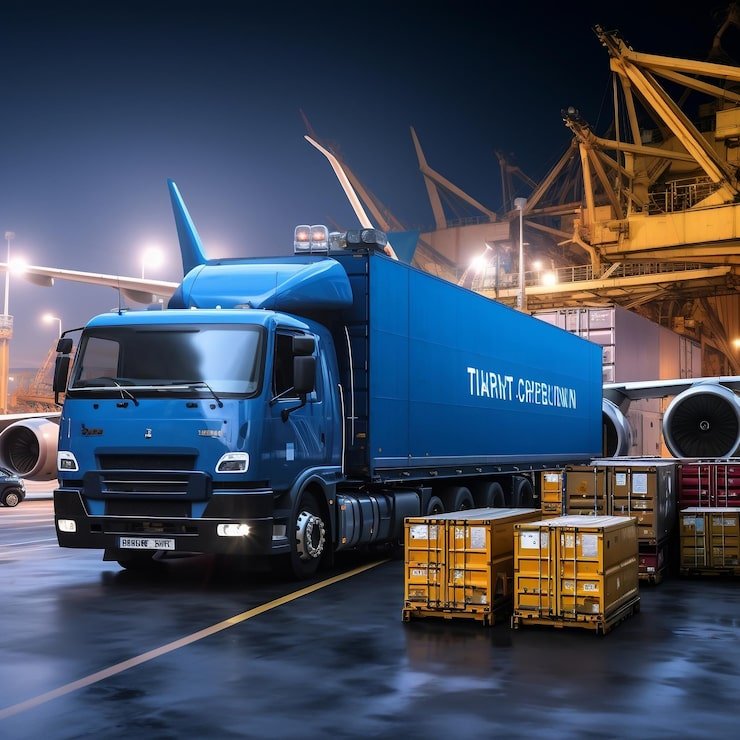
A shipment may look like a simple movement from one location to another, but many decisions take place before the cargo reaches its destination. The shipping method must be selected, documents need to be prepared, customs requirements must be checked, warehouse space may need to be arranged, and each party involved must receive the correct information.
When one of these steps is missed, cargo may arrive late, unexpected charges can appear, and customers may lose confidence in the business. This is why choosing reliable logistics providers is not only a shipping decision. It is also a decision that can affect costs, customer satisfaction, inventory planning, and business growth.
A capable logistics partner does more than book a truck, vessel, or aircraft. The provider studies the shipment, understands its risks, coordinates each stage, and recommends suitable logistic solutions based on the cargo, route, deadline, and budget.
Merkay Logistics supports businesses through integrated services that include sea freight, air freight, transportation, warehousing, customs support, storage, and distribution. The company also offers port-to-port and door-to-door logistics options for imports, exports, and important global trade routes.
Why Logistics Decisions Matter More Than Businesses Expect
Many companies begin looking for a logistics partner only after a problem occurs. A container is delayed, documents are rejected, warehouse space becomes unavailable, or delivery costs rise without warning.
The problem often starts earlier.
A business may select ocean freight because it costs less, even though the customer needs the order within a short period. Another company may use air freight for a shipment that could have been planned and transported by sea at a lower cost. Some businesses focus only on the quoted freight rate and overlook customs costs, port fees, storage charges, or final-mile transportation.
Reliable logistics planning looks at the complete journey rather than one transport cost.
For example, a low ocean freight quote may no longer be the cheapest option when it includes long transit time, port storage, additional handling, and delayed customer delivery. A skilled logistics provider reviews the full shipping process before recommending a route.
This is where professional logistics support provides real value. It helps a business balance speed, cost, visibility, safety, and customer expectations.
What Do Modern Logistics Providers Actually Manage?
Modern logistics involves far more than transportation. It connects suppliers, manufacturers, warehouses, customs authorities, freight carriers, distributors, and customers.
A logistics provider may begin working before the shipment is packed. The team can review shipment details, dimensions, weight, origin, destination, cargo type, required delivery date, and documentation. Based on that information, the provider recommends a suitable method of transportation.
Once cargo is ready, the provider coordinates collection and arranges movement to a warehouse, airport, port, rail terminal, or distribution centre. Shipping documents must be checked before departure because even a small error in names, product descriptions, quantities, or classification details can cause delays.
During international movement, the logistics team keeps communication flowing between the parties involved. When the cargo arrives, customs procedures, unloading, storage, transloading, distribution, and final delivery may also need to be managed.
Merkay Logistics presents its service as an integrated model covering transportation, customs processes, storage, distribution, and tailored logistics support. Its service pages also identify FCL, LCL, specialised cargo, urgent air shipments, warehousing, inbound logistics, and distribution support.
How Cargo Moves from the Supplier to the Final Destination
To understand the value of logistics providers, it helps to follow a shipment through its complete journey.
Imagine that a US business is importing commercial equipment from an overseas supplier. The supplier confirms that the cargo will be ready in two weeks. At this stage, the logistics provider gathers the shipment information and reviews the delivery requirement.
If the order is urgent and relatively small, air freight may be considered. If the shipment is heavy and the deadline is more flexible, ocean freight may offer better value.
After the transport plan is approved, collection is scheduled. The cargo may move from the supplier to a warehouse or shipping terminal. Export documents are reviewed, the shipment is booked, and loading is arranged.
While the cargo is in transit, the business needs clear updates. Without visibility, inventory teams cannot plan stock, sales teams cannot update customers, and warehouse teams may not know when to prepare space.
Once the shipment arrives, customs clearance begins. After release, the cargo may move directly to the buyer or travel to a warehouse for unloading, transloading, storage, or distribution.
A strong logistics provider manages these connections so the client does not have to coordinate every carrier, warehouse, customs contact, and delivery company separately.
Choosing Between Air, Sea, Road, and Combined Transport
The best transport method depends on what the business is shipping and what matters most for that shipment.
| Shipping Method | Best Used When | Main Consideration |
| Air freight | Delivery is urgent or cargo has high value | Faster but usually more expensive |
| Sea freight | Cargo is heavy, large, or less urgent | Lower cost per unit but longer transit |
| Road transport | Cargo needs regional or final-mile movement | Flexible and useful for door delivery |
| Multimodal shipping | One mode cannot complete the route | Requires strong coordination |
Air Freight for Time-Sensitive Cargo
Air freight is often chosen for urgent products, valuable goods, replacement parts, samples, seasonal inventory, or shipments linked to a fixed deadline.
The main advantage is speed. The challenge is cost, especially when cargo is heavy or takes up significant space.
Merkay Logistics states that its air transportation service uses agency relationships and airline partnerships to support urgent and time-sensitive shipments while helping customers compare airline options and transit times.
Sea Freight for Larger Shipments
Ocean freight is suited to containerised goods, machinery, commercial inventory, and other large shipments that do not require immediate delivery.
Businesses may use a full container load when they have enough cargo for a container or a less-than-container load when they need only part of the available space.
Merkay Logistics offers FCL, LCL, and specialised cargo support through its sea transportation service.
Road Transportation for Flexible Delivery
Road freight connects factories, warehouses, ports, airports, distribution centres, and final customers. Even when cargo moves by sea or air, a truck is often required at the beginning or end of the journey.
For many businesses, the most effective plan combines several transport methods rather than relying on only one.
The Hidden Costs of Poor Logistics Planning
Shipping problems are not limited to late delivery. Poor planning can create costs that are not visible in the original freight quote.
A shipment may arrive before warehouse space is ready. The cargo then remains at a port or terminal, creating storage charges. Documents may contain incomplete information, delaying customs clearance. A truck may arrive when the shipment is not available for collection, leading to waiting fees or a second collection attempt.
These situations can also affect other parts of the business.
A sales team may promise a delivery date that operations cannot meet. A manufacturer may stop production because a required component has not arrived. A retailer may miss a seasonal sales period. A customer may cancel an order after receiving repeated delivery delays.
This is why experienced logistics providers ask detailed questions before quoting. They need to understand more than the shipment’s origin and destination.
The most useful questions include the type of cargo, number of packages, dimensions, weight, deadline, commercial value, handling requirements, and whether delivery is port-to-port or door-to-door.
Customs Clearance Is Not Just Paperwork
Customs clearance is one of the most misunderstood parts of international shipping.
Many businesses assume the process begins when goods arrive at the destination. In practice, customs preparation should begin much earlier.
Invoices, packing lists, product descriptions, tariff classifications, country-of-origin information, and other documents may need to match. Missing or unclear information can lead to questions, inspections, corrections, and delays.
A professional logistics provider helps organise the process and keeps communication clear between the importer, exporter, carrier, and customs representative.
Merkay Logistics identifies customs and distribution as part of its service offering and states that its team supports customers through customs procedures and international trade challenges.
The provider cannot remove every possibility of inspection or delay, but proper preparation can reduce preventable problems.
Warehousing Can Improve More Than Storage
Warehousing is sometimes treated as a separate service, but it can play a major role in logistics planning.
A warehouse allows a business to receive cargo, inspect products, organise inventory, combine shipments, separate orders, prepare goods for distribution, and hold stock closer to customers.
For an importer, warehousing can create flexibility. Instead of sending an entire shipment to one final location, products can be stored and released according to demand.
For an exporter, a warehouse may provide space to collect goods from several suppliers before they are consolidated into one shipment.
Merkay Logistics describes its warehousing service as supporting inbound logistics, storage, distribution, and aftermarket operations. Its service information also references warehouse security, multiple docks, and warehouse management methods designed to improve placement and response times.
The value of warehousing is therefore not limited to where cargo sits. It affects how quickly and accurately products can move after arrival.
What Businesses Should Expect from Logistic Solutions
A good logistics plan should match the client’s real priorities. It should not force every shipment into the same process.
A company shipping heavy equipment has different needs from a business importing small consumer products. A manufacturer waiting for a machine component may value delivery speed more than freight cost. A company moving regular inventory may focus on predictable schedules and warehouse planning.
Useful logistic solutions should therefore answer four questions:
- How should the cargo move?
- How long should the journey take?
- What risks could interrupt the shipment?
- What will the complete process cost?
These questions create a stronger basis for decision-making than selecting a provider only because it submitted the lowest quote.
The logistics provider should also explain what is included, what is excluded, which responsibilities remain with the client, and which charges may vary.
How to Evaluate Logistics Providers Before Signing an Agreement
The first conversation with a logistics company can reveal a great deal about its service quality.
A reliable provider should ask questions before recommending a service. If a company gives an immediate price without understanding the cargo, route, deadline, or delivery requirement, the quote may not reflect the full shipment.
Communication is another important sign. International shipping involves many moving parts, and clients need to know who will provide updates and how often those updates will be shared.
Businesses should also review the provider’s service coverage. A company that handles transportation but cannot support warehousing, customs coordination, or distribution may require the client to manage several vendors.
Experience on the relevant trade lane also matters. A provider may be strong in one region but have limited partner coverage in another.
Before making a decision, ask the provider to explain the complete journey in plain language. The response should show that the company understands the shipment and has thought through possible challenges.
Why Businesses Work with Merkay Logistics
Merkay Logistics describes itself as an integrated logistics service provider supporting imports and exports connected to the United States and other important global trade lanes. The company states that it was established in 2006 and works with agency partners around the world.
Its service offering covers sea freight, air freight, transportation, warehousing, customs support, storage, and distribution. Port-to-port and door-to-door options allow businesses to choose how much of the shipment journey they want the logistics team to manage.
The company also presents a boutique logistics model focused on personalised support rather than treating every shipment in the same way. Its website highlights agency relationships, experienced personnel, integrated services, and customised planning as key parts of its approach.
For clients, this means the conversation can begin with the actual shipment challenge rather than a fixed package.
A business may need fast air transportation, economical sea freight, storage before distribution, support with customs processes, or a complete door-to-door plan. The role of Merkay Logistics is to connect those requirements into one workable solution.
A Better Way to Plan Your Next Shipment
Before contacting a logistics provider, collect the main shipment information in one place.
You should know where the cargo will leave from, where it must arrive, when it will be ready, and when the customer needs it. Add the number of packages, dimensions, weight, cargo description, and commercial value.
Mention any special conditions such as fragile items, oversized equipment, temperature requirements, or limited unloading access.
It is also useful to explain the business priority. Is your main concern speed, cost, predictable delivery, cargo safety, or regular shipment planning?
This information allows the provider to offer a recommendation rather than only a price.
A professional logistics discussion should leave you with a clear understanding of the transport method, expected journey, customs requirements, delivery process, possible risks, and estimated costs.
Frequently Asked Questions
What do logistics providers do?
Logistics providers coordinate the movement, storage, customs processing, and distribution of cargo. Depending on their capabilities, they may manage the complete journey or selected parts of it.
What is the difference between logistics and freight forwarding?
Freight forwarding focuses mainly on arranging cargo transportation. Logistics may cover a wider process that includes freight, warehousing, inventory movement, customs coordination, distribution, and final delivery.
How do I choose the right transport method?
The decision depends on shipment size, weight, value, route, budget, and delivery deadline. Air freight suits urgent cargo, while ocean freight is often preferred for heavier or larger shipments with flexible timelines.
Can one provider manage door-to-door shipping?
Yes, some logistics providers offer door-to-door services that connect collection, international transportation, customs processes, and final delivery. Merkay Logistics lists both port-to-port and door-to-door options among its services.
Why are accurate dimensions and weights important?
Carriers use cargo weight and space to calculate charges. Incorrect details may change the final price and can also cause booking or loading issues.
Can logistics providers prevent customs delays?
No provider can guarantee that customs authorities will never inspect or delay cargo. However, accurate preparation and better coordination can reduce avoidable document-related problems.
When should a business use warehousing?
Warehousing is useful when goods need to be stored, inspected, consolidated, separated, held near customers, or distributed in smaller quantities.
What should be included in a logistics quote?
A quote should explain the transport service, route, included charges, excluded costs, validity period, expected transit time, and any assumptions made by the provider.
Does Merkay Logistics handle air and sea freight?
Yes. Merkay Logistics lists both air and sea transportation, including urgent air shipments and FCL, LCL, and specialised sea cargo services.
How can I request a logistics plan?
Prepare your cargo details, origin, destination, delivery deadline, and service requirements. You can then contact Merkay Logistics to discuss the shipment and request a tailored recommendation.
Conclusion
Choosing between logistics providers should never come down to price alone. The right company must understand the cargo, identify possible risks, explain the complete journey, and recommend an option that supports the client’s delivery goals.
Strong logistic solutions connect transportation, customs preparation, warehousing, communication, and final distribution. When these parts work together, businesses gain better control over costs, delivery planning, inventory, and customer expectations.
Merkay Logistics supports companies with integrated air, sea, transportation, warehousing, customs, storage, and distribution services. Its port-to-port, door-to-door, and personalised logistics options allow businesses to choose support based on their real shipping needs.
More from the Merkay blog

Warehouse and Distribution Services: Building a Smarter Supply Chain
Modern supply chains cannot depend on storage alone. Businesses need inventory to arrive, be handled correctly, remain accessible…
Read article →
Road Transportation: Moving Freight with Greater Control and Flexibility
Modern supply chains depend on one thing above almost everything else: reliable movement of goods. Whether freight is…
Read article →
Air Ways Transport: Fast, Secure & Global Shipping with Merkay Logistics
Deliver Your Cargo Faster with Reliable Air Freight Solutions When every shipment matters, choosing the right logistics partner…
Read article →Ready to move your next shipment?
Book a call with a Merkay specialist and get a clear plan — or send us the details for a fast, itemised quote.