Road Transportation: Moving Freight with Greater Control and Flexibility
Modern supply chains depend on one thing above almost everything else: reliable movement of goods. Whether freight is traveling from a port to a warehouse, from a distribution center to a customer, or between…
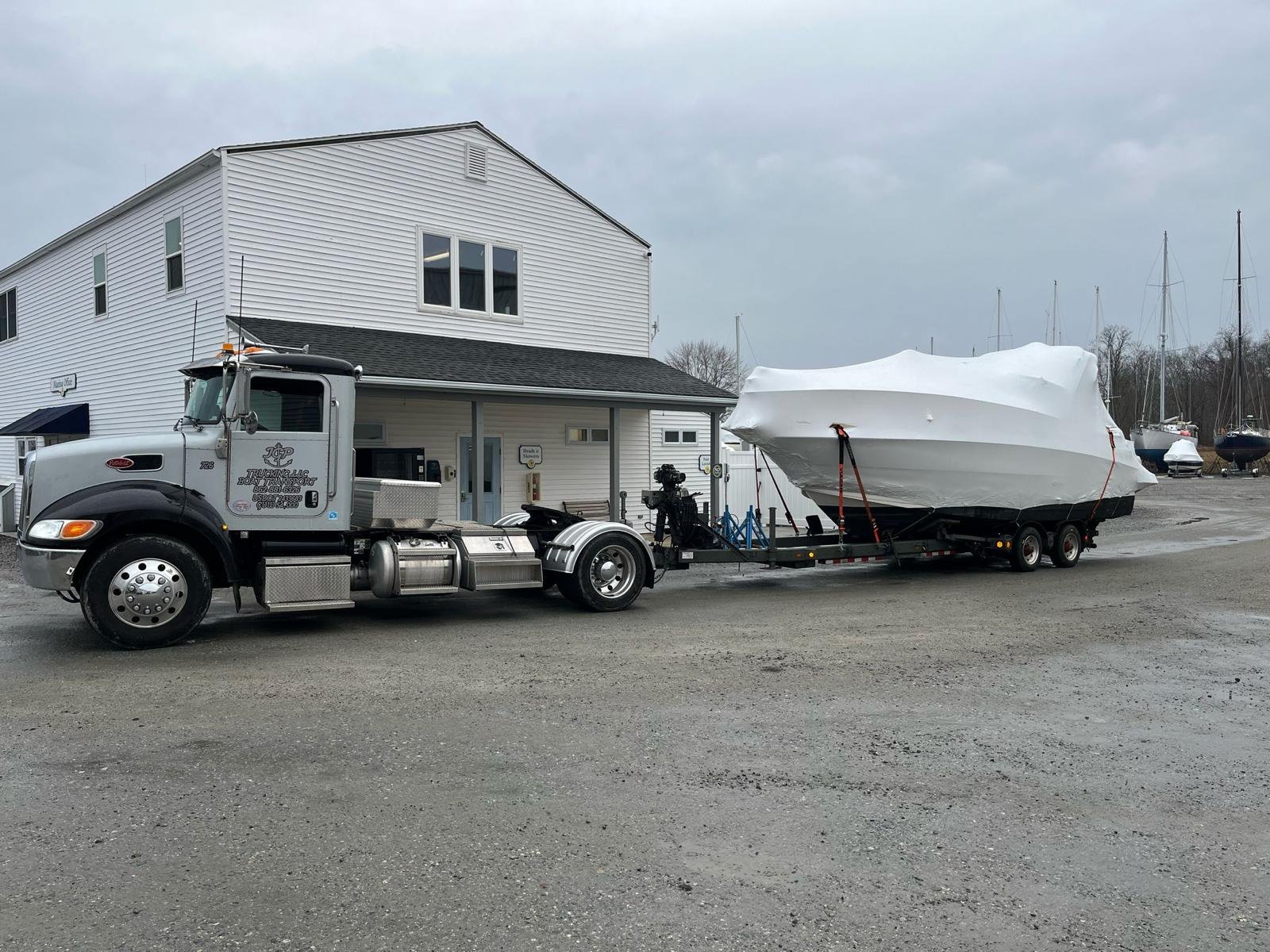
Modern supply chains depend on one thing above almost everything else: reliable movement of goods.
Whether freight is traveling from a port to a warehouse, from a distribution center to a customer, or between facilities across the country, road transportation connects virtually every stage of the logistics journey.
Merkay Logistics helps businesses coordinate freight movement through integrated transportation, warehousing, freight forwarding, customs, and logistics solutions. The company provides ground freight forwarding and inland transportation alongside port-to-port and door-to-door logistics support.
For businesses that need more control, flexibility, and coordination across their supply chain, professional freight transportation services can make a major difference.
What Is Road Transportation in Logistics?
Road transportation is the movement of commercial cargo by truck or other road-based freight vehicles between origins and destinations.
It can support short-haul movements around ports and warehouses as well as regional and long-distance freight transportation.
Unlike transportation modes that depend on airports, rail terminals, or seaports, trucks can frequently move freight directly between facilities. This makes road freight especially important for first-mile, middle-mile, and final-mile logistics.
Depending on the shipment, businesses may use:
- Full truckload transportation
- Less-than-truckload transportation
- Dedicated trucking
- Port drayage
- Container transportation
- Regional freight delivery
- Long-haul trucking
- Warehouse-to-warehouse transportation
- Door-to-door transportation
The right method depends on cargo size, destination, delivery schedule, handling requirements, and available capacity.
Why Road Transportation Remains Essential to U.S. Supply Chains
Trucking remains one of the most important freight transportation modes in the United States.
These numbers highlight why road networks remain critical.
Trucks connect:
- Ports with warehouses
- Manufacturers with distributors
- Distribution centers with stores
- Importers with fulfillment facilities
- Warehouses with customers
- Airports and seaports with inland destinations
In many supply chains, even freight primarily transported by air, ocean, or rail still requires a truck at the beginning or end of its journey.
Types of Freight Transportation Services Businesses May Need
1. Full Truckload Transportation
Full truckload, commonly called FTL, is generally suitable when one shipment requires most or all of a trailer.
It can be useful for:
- Large shipments
- High-volume freight
- Time-sensitive deliveries
- Cargo requiring minimal handling
- Direct origin-to-destination movements
Because freight generally remains together during transit, FTL can also reduce intermediate handling.
2. Less-Than-Truckload Freight
Less-than-truckload, or LTL, combines smaller shipments from multiple customers within available trailer capacity.
This approach can help companies avoid paying for an entire trailer when they only need part of one.
Major transportation providers use LTL networks to support flexible shipment volumes and consolidated freight movement.
3. Inland Transportation
Inland transportation connects ports, warehouses, terminals, manufacturing facilities, and other inland locations.
Merkay specifically includes inland transportation and drayage within its published scope of services.
4. Drayage Transportation
Drayage typically involves moving containers or freight over relatively short distances, especially between a seaport, rail terminal, warehouse, or distribution facility.
Although the distance may be shorter, coordination is critical because delays can affect container availability, warehouse schedules, and subsequent transportation.
Benefits of Professional Road Transportation
Greater Routing Flexibility
Trucks can reach a broad range of commercial locations without requiring every shipment to transfer through a specialized transport terminal.
Door-to-Door Capability
Road freight can support direct pickup and delivery, making it highly useful within integrated door-to-door logistics strategies.
Merkay states that its logistics solutions include both port-to-port and door-to-door options.
Better Supply Chain Coordination
A transportation provider that also understands freight forwarding, warehousing, customs, and distribution can coordinate more than the truck journey alone.
Flexible Shipment Sizes
Companies can choose transportation based on cargo volume rather than treating every shipment the same way.
Faster Regional Movement
For many regional shipments, road transportation provides a practical balance between transit time, accessibility, and cost.
Road vs. Other Freight Transportation Modes
| Mode | Best Suited For | Main Strength |
| Road Transportation | Domestic and regional freight | Flexibility and door-to-door reach |
| Rail Freight | Large-volume long-distance cargo | Efficient bulk movement |
| Air Freight | Urgent or high-value cargo | Speed |
| Ocean Freight | International containerized freight | Large-volume global shipping |
The best supply chains do not always rely on one mode.
A shipment may travel internationally by ocean, move from the port by truck, enter a warehouse, and later continue by road to its final destination.
That is where integrated freight transportation services become particularly valuable.
How to Plan Road Freight Transportation: Step by Step
Step 1: Identify Your Freight
Document the cargo type, dimensions, weight, pallet count, handling requirements, and any special conditions.
Step 2: Confirm Pickup and Delivery Requirements
Provide accurate addresses, loading hours, appointments, dock restrictions, and required delivery dates.
Step 3: Select the Appropriate Transportation Method
Determine whether the shipment requires dedicated capacity, consolidated transportation, drayage, or another solution.
Step 4: Coordinate Connected Logistics Activities
If freight is arriving through an international port, consider customs clearance, container pickup, warehousing, transloading, and inland transportation together rather than separately.
Step 5: Monitor the Shipment
Maintain clear communication throughout pickup, transit, arrival, and delivery so potential disruptions can be addressed early.
Why Integrated Logistics Matters
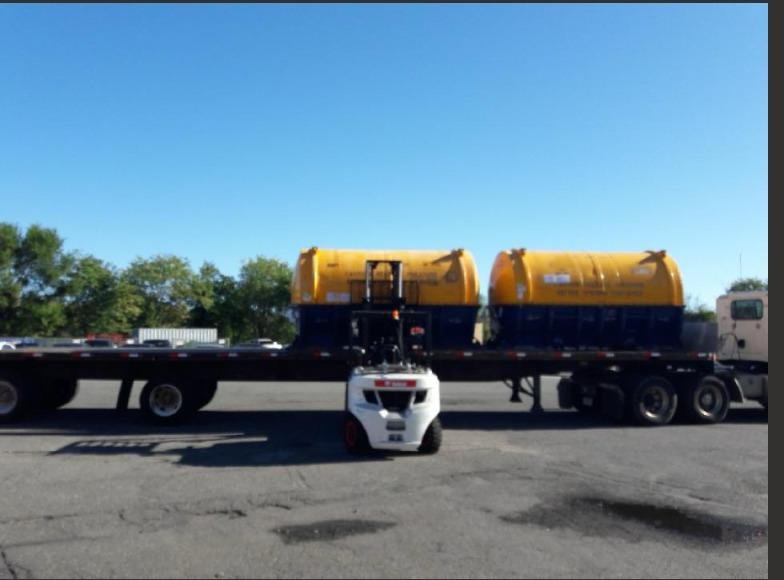
Transportation rarely operates independently.
A shipment may require:
Ocean Freight → Customs Clearance → Drayage → Warehousing → Road Transportation → Final Delivery
Using disconnected providers for each stage can increase communication requirements and create additional coordination points.
Merkay Logistics operates as an integrated logistics provider offering services that include sea freight, air freight, warehousing, customs support, transportation, freight forwarding, inland transportation, and drayage.
This creates an opportunity to manage freight as one connected process rather than a series of unrelated transactions.
Expert Tips for More Efficient Road Transportation
Book Important Shipments Early
Planning ahead can improve access to suitable transportation capacity, especially around seasonal peaks.
Provide Accurate Freight Information
Incorrect dimensions or weights can affect equipment selection, pricing, and loading.
Avoid Evaluating Freight on Price Alone
Consider reliability, communication, transit requirements, handling, and operational support alongside cost.
Coordinate Warehousing and Transportation
Aligning warehouse appointments with trucking schedules can reduce unnecessary waiting and disruption.
Build Contingency Options
Weather, traffic, equipment availability, port congestion, and unexpected demand can influence transportation schedules. Flexible logistics planning helps businesses respond faster.
Frequently Asked Questions
1. What is road transportation in logistics?
Road transportation refers to moving commercial goods by truck or other road-based freight vehicles between locations such as ports, warehouses, factories, distribution centers, and customers.
2. What are freight transportation services?
Freight transportation services organize and manage the movement of commercial cargo. They can include truck transportation, freight forwarding, drayage, inland transportation, air freight, ocean freight, and related logistics activities.
3. When should a business use road freight transportation?
Road freight is useful for regional shipping, domestic deliveries, port-to-warehouse movements, distribution, door-to-door freight, and shipments requiring flexible pickup and delivery locations.
4. What is the difference between FTL and LTL transportation?
FTL generally dedicates a trailer to one shipment, while LTL combines smaller shipments from multiple customers within shared trailer capacity.
5. What is drayage in freight transportation?
Drayage is typically short-distance freight movement connecting locations such as ports, rail terminals, container yards, warehouses, and distribution centers.
6. Can road transportation be combined with ocean freight?
Yes. International freight commonly arrives by ocean and then moves by truck from a port to a warehouse, distribution center, or inland destination.
Move Freight with Greater Confidence
Efficient road transportation is about more than placing cargo on a truck. It requires selecting the right transportation method, coordinating schedules, managing connected logistics activities, and keeping freight moving from origin to destination.
For companies managing domestic transportation, port activity, warehousing, imports, exports, or multimodal supply chains, professional freight transportation services can provide the coordination needed to keep operations organized.
Merkay Logistics brings transportation together with freight forwarding, warehousing, inland transportation, drayage, customs support, and integrated logistics solutions—helping businesses manage freight through one connected supply chain strategy.
More from the Merkay blog
Warehouse and Distribution Services: Building a Smarter Supply Chain
Modern supply chains cannot depend on storage alone. Businesses need inventory to arrive, be handled correctly, remain accessible…
Read article →
Air Ways Transport: Fast, Secure & Global Shipping with Merkay Logistics
Deliver Your Cargo Faster with Reliable Air Freight Solutions When every shipment matters, choosing the right logistics partner…
Read article →
Logistics Providers: How to Choose Smarter Logistic Solutions for Your Business
A shipment may look like a simple movement from one location to another, but many decisions take place…
Read article →Ready to move your next shipment?
Book a call with a Merkay specialist and get a clear plan — or send us the details for a fast, itemised quote.