Warehouse and Distribution Services: Building a Smarter Supply Chain
Modern supply chains cannot depend on storage alone. Businesses need inventory to arrive, be handled correctly, remain accessible and move toward customers without unnecessary delays. That is where professional warehouse and distribution services become…
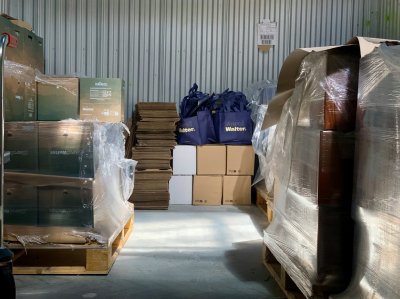
Modern supply chains cannot depend on storage alone. Businesses need inventory to arrive, be handled correctly, remain accessible and move toward customers without unnecessary delays.
That is where professional warehouse and distribution services become an essential part of logistics strategy.
Merkay Logistics supports businesses with warehousing, inbound logistics, storage, distribution and related freight solutions designed to keep cargo moving efficiently. Its listed capabilities also include air and ocean freight, transportation, customs-related services, consolidation, drayage and logistics coordination.
For importers, exporters, manufacturers, distributors and growing businesses, connecting warehousing with transportation can provide greater control over the journey from cargo arrival to final delivery.
What Are Warehouse and Distribution Services?
Warehousing and distribution work together but perform different roles.
Warehousing focuses on receiving, handling, organizing and safely storing goods until they are required.
Distribution focuses on moving those goods from the warehouse to another facility, retailer, business location or final destination.
Professional distribution and warehousing services bring the two functions together so inventory can move through a coordinated process rather than through disconnected service providers.
A typical operation may include:
- Receiving inbound freight
- Unloading and cargo handling
- Inventory placement
- Short- or longer-term storage
- Palletization and labeling
- Consolidation and deconsolidation
- Order preparation
- Cross-docking when appropriate
- Outbound transportation
- Distribution coordination
- Inventory and shipment visibility
The objective is simple: keep the right goods in the right location and make them available at the right time.
Why Integrated Warehousing and Distribution Matter
Supply chains become more complicated as businesses add products, suppliers, customers and shipping destinations.
Managing warehousing separately from transportation may result in additional communication, handoffs and administrative work. An integrated logistics model helps create a more connected flow.
Better Inventory Flow
An organized warehouse allows businesses to receive, locate and prepare products more efficiently.
Instead of treating inventory as static stock, businesses can manage it as part of a continuous movement between suppliers, storage locations and customers.
Faster Response to Demand
Demand rarely stays constant.
Seasonal peaks, unexpected orders, import schedules and changes in customer requirements can all affect inventory movement.
Flexible warehouse and distribution services give businesses room to adjust their logistics operations as conditions change.
Reduced Operational Complexity
Working with a logistics provider capable of coordinating several supply-chain functions can reduce the number of individual parties a company must manage.
Merkay Logistics lists freight forwarding, warehousing, storage, consolidation, inland transportation, drayage, palletizing, labeling and logistics coordination within its service scope.
This integrated approach can make communication and cargo planning easier.
Core Elements of Reliable Distribution and Warehousing Services
1. Strategic Receiving
Efficiency begins before products reach their storage location.
Inbound loads need to be scheduled, received, unloaded and processed systematically. Accurate receiving helps prevent problems from moving further down the supply chain.
2. Organized Storage
Warehouse layouts should allow inventory to be stored according to factors such as:
- Product characteristics
- Movement frequency
- Size and weight
- Handling requirements
- Distribution priority
Merkay states that its warehousing operation uses warehouse management models to optimize product placement and improve response times. Its service page also highlights facilities with security measures, sprinkler systems and multiple docks.
3. Inventory Management
Knowing what is physically inside a warehouse is not enough.
Companies also need to understand where inventory is located, what is available and when replenishment or distribution may be required.
Better inventory visibility supports more informed purchasing and shipping decisions.
4. Outbound Distribution
Once inventory is ready to move, effective transportation coordination becomes critical.
Distribution planning considers destination, cargo requirements, shipment size, delivery schedule and available transportation options.
5. Value-Added Handling
Depending on the shipment, warehouse operations may also involve:
- Palletizing
- Labeling
- Consolidation
- Deconsolidation
- Sorting
- Cargo preparation
- Transloading
- Specialized handling
These functions can reduce unnecessary steps between receiving cargo and preparing it for its next movement.
Warehousing Only vs. Integrated Warehousing and Distribution
| Feature | Warehousing Only | Integrated Warehousing & Distribution |
| Product storage | Yes | Yes |
| Inbound coordination | Limited/varies | Integrated |
| Inventory handling | Yes | Yes |
| Outbound transportation | Separate provider | Coordinated |
| Distribution planning | Limited | Included |
| Supply-chain visibility | Fragmented | More connected |
| Scalability | Depends on provider | Designed around changing needs |
| Logistics communication | Multiple contacts | More centralized |
For many growing businesses, integration can reduce the friction created when inventory, freight and distribution are managed independently.
Key Benefits of Professional Warehouse and Distribution Services
Greater Operational Efficiency
Efficient storage, handling and outbound planning can minimize unnecessary movement within the supply chain.
Improved Scalability
Outsourced warehousing allows businesses to respond to changing inventory needs without building an entire logistics infrastructure internally.
Better Use of Internal Resources
When logistics specialists manage day-to-day warehouse operations, internal teams can concentrate on sales, sourcing, product development and customer relationships.
Improved Supply Chain Coordination
Warehousing connected with freight transportation provides a clearer path between inbound cargo and downstream delivery.
Support for Business Growth
As order volumes and geographic reach expand, logistics requirements generally become more complicated. Scalable distribution and warehousing services can adapt alongside that growth.
How the Warehouse and Distribution Process Works
Step 1: Understand the Logistics Requirement
The process begins by reviewing cargo type, volume, origin, expected inventory duration, destinations and handling requirements.
Step 2: Coordinate Inbound Transportation
Freight is transported to the appropriate warehouse or logistics facility.
For imported cargo, this may also involve port transportation, drayage or other freight coordination.
Step 3: Receive and Process Inventory
Goods are unloaded, checked and prepared for storage or another logistics activity.
Step 4: Store Inventory Strategically
Products are placed according to operational requirements and expected movement.
Fast-moving goods, for example, may benefit from locations that simplify picking and outbound handling.
Step 5: Prepare Outbound Shipments
When products are required, inventory is retrieved and prepared for transportation.
This may involve sorting, labeling, palletizing or consolidation.
Step 6: Coordinate Distribution
Cargo leaves the warehouse and moves toward retailers, facilities, business customers or another point within the supply chain.
Why Businesses Choose a 3PL for Warehousing and Distribution
Operating an internal warehouse requires more than physical space.
Businesses must consider labor, technology, security, equipment, handling procedures, transportation relationships and changing capacity requirements.
A third-party logistics provider can provide access to established operational resources without requiring a business to develop every logistics capability internally.
Large competitors demonstrate how important this model has become. NFI promotes customized distribution and e-commerce fulfillment, while GXO emphasizes flexible distribution, warehouse automation and reverse logistics. Omni Logistics markets integrated warehouse, cross-dock and specialized services, including operations in New Jersey.
The right provider, however, should be chosen according to a company’s actual cargo requirements rather than size alone.
Why Consider Merkay Logistics?
Merkay Logistics positions itself as an integrated logistics provider rather than simply a storage company.
Its services cover warehousing alongside air freight, ocean freight, transportation, customs-related services and broader supply-chain coordination.
For customers managing imported cargo or multi-stage freight movements, this provides an opportunity to coordinate several important logistics functions through one relationship.
Merkay’s service offering highlights:
- Warehousing and storage
- Inbound logistics management
- Distribution
- Drayage
- Consolidation and deconsolidation
- Palletizing and labeling
- Freight forwarding
- Transportation coordination
- Dedicated warehouse space
- Operational logistics support
Frequently Asked Questions
1. What are warehouse and distribution services?
They combine inventory receiving, storage and handling with the coordination of outbound goods to customers, facilities, retailers or other supply-chain destinations.
2. What is the difference between warehousing and distribution?
Warehousing primarily involves storing and managing goods, while distribution focuses on moving those goods from storage to their next destination.
3. Why should businesses outsource warehousing?
Outsourcing can provide flexible capacity, logistics expertise and operational support without requiring businesses to build and manage warehouse infrastructure themselves.
4. What are distribution and warehousing services used for?
They are commonly used by importers, exporters, manufacturers, distributors, retailers and businesses that need organized inventory storage and reliable outbound movement.
5. Can a warehouse handle imported cargo?
Yes, depending on the provider’s capabilities. Integrated logistics providers may coordinate imported freight with drayage, warehousing, handling and onward transportation.
6. Does Merkay Logistics provide warehousing?
Yes. Merkay lists warehousing, storage, inbound logistics, distribution and aftermarket support among its services.
Build a More Connected Supply Chain with Merkay Logistics
Merkay Logistics Warehousing plays a much larger role than simply holding inventory.
The right warehouse and distribution services connect inbound freight, inventory management, storage, handling and outbound transportation into a coordinated logistics process.
For businesses looking to simplify operations and improve the flow of goods, Merkay Logistics offers integrated distribution and warehousing services supported by broader freight and transportation capabilities.
More from the Merkay blog

Road Transportation: Moving Freight with Greater Control and Flexibility
Modern supply chains depend on one thing above almost everything else: reliable movement of goods. Whether freight is…
Read article →
Air Ways Transport: Fast, Secure & Global Shipping with Merkay Logistics
Deliver Your Cargo Faster with Reliable Air Freight Solutions When every shipment matters, choosing the right logistics partner…
Read article →
Logistics Providers: How to Choose Smarter Logistic Solutions for Your Business
A shipment may look like a simple movement from one location to another, but many decisions take place…
Read article →Ready to move your next shipment?
Book a call with a Merkay specialist and get a clear plan — or send us the details for a fast, itemised quote.