Ocean Freight Transportation Services: A Complete Guide for Businesses
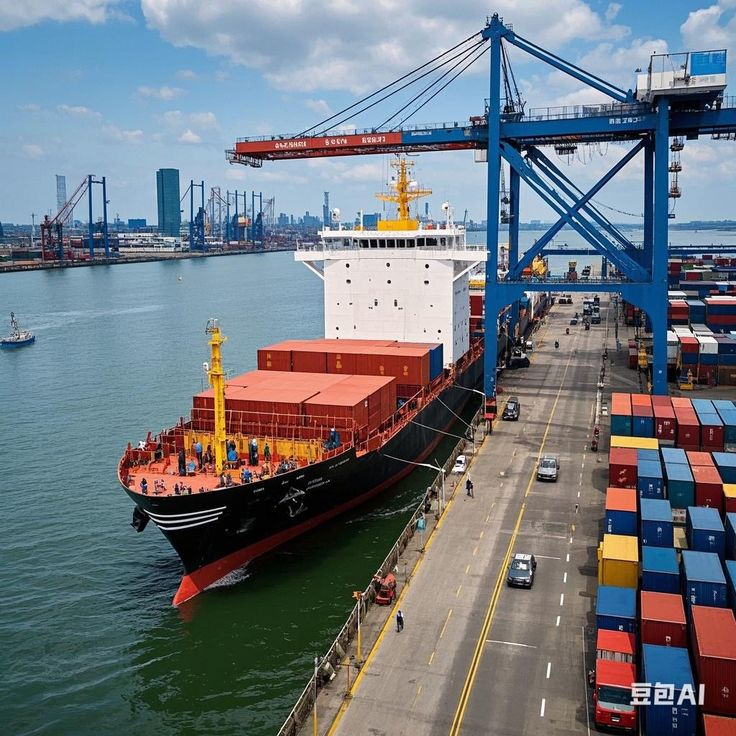
Reliable Ocean Freight Transportation Services for Global Cargo Movement
Moving goods across international borders requires a logistics partner that understands shipping processes, documentation, regulations, and delivery coordination. Ocean freight transportation provides businesses with a practical solution for transporting large volumes of cargo safely and efficiently across international routes.
Whether you are importing raw materials, exporting finished products, or managing regular international shipments, professional ocean shipping services help simplify complex supply chain operations.
Introduction
International trade depends heavily on reliable transportation networks. For many businesses, ocean freight transportation remains one of the most effective ways to move large quantities of goods between countries.
Compared with air freight, ocean shipping is generally preferred for heavier shipments, bulk cargo, and businesses looking for cost efficient transportation solutions. From manufacturers and exporters to retailers and distributors, companies use ocean freight services to maintain a smooth and predictable supply chain.
However, successful ocean shipping requires more than booking container space. Businesses need proper documentation, customs coordination, shipment planning, cargo handling, and tracking support.
A professional logistics provider helps manage these activities while reducing delays and improving shipment visibility.
What Is Ocean Freight Transportation?
Ocean freight transportation is the process of moving goods through sea routes using cargo ships and shipping containers. It is commonly used for international trade because ships can carry large quantities of products over long distances.
Businesses can transport different types of cargo through ocean shipping, including:
- Manufacturing equipment
- Consumer products
- Industrial materials
- Automotive parts
- Electronics
- Agricultural products
- Bulk shipments
Ocean freight services are designed for businesses that require dependable transportation capacity while maintaining control over shipping costs.
How Does Ocean Shipping Work?
The ocean shipping process involves multiple stages that require proper coordination.
1. Cargo Planning and Booking
The process starts with understanding shipment requirements, including:
- Cargo type
- Shipment volume
- Destination country
- Required delivery timeline
- Container requirements
Based on these details, logistics providers select suitable shipping options.
2. Export Documentation
International shipments require accurate documentation to avoid delays.
Important documents may include:
- Commercial invoice
- Packing list
- Bill of lading
- Export documents
- Customs paperwork
Proper documentation ensures smooth movement through ports and customs checkpoints.
3. Container Loading and Transportation
After documentation approval, cargo is packed and loaded into containers. The shipment then moves to the departure port before being transported through ocean routes.
4. Customs Clearance and Final Delivery
After reaching the destination port, shipments go through customs clearance before continuing toward the final delivery location.
A complete logistics solution helps businesses manage port handling, customs procedures, and inland transportation.
Types of Ocean Freight Transportation Services
Ocean freight solutions are available in different formats depending on shipment size and business requirements.
Full Container Load (FCL)
FCL shipping is suitable when a business requires an entire container for its cargo.
Benefits include:
- Better cargo control
- Reduced handling
- Suitable for large shipments
- Improved security
Less Than Container Load (LCL)
LCL shipping allows businesses to share container space with other shipments.
It is useful for:
- Smaller shipments
- Businesses with flexible delivery schedules
- Companies testing international markets
Why Businesses Choose Ocean Freight Transportation
1. Cost Effective for Large Shipments
One of the biggest advantages of ocean shipping is cost efficiency. Businesses transporting large volumes can benefit from lower transportation costs compared with faster shipping methods.
2. Suitable for Heavy and Bulk Cargo
Cargo ships can handle significantly larger quantities of goods, making ocean freight suitable for industries that require high capacity transportation.
3. Supports International Trade
Ocean shipping connects major ports worldwide and helps businesses expand their operations across international markets.
4. Flexible Shipping Options
Businesses can choose different container options, routes, and shipment schedules based on their requirements.
Ocean Freight Transportation vs Air Freight
| Feature | Ocean Freight | Air Freight |
| Cost | More economical for large shipments | Higher transportation cost |
| Speed | Longer transit time | Faster delivery |
| Cargo Capacity | Suitable for heavy cargo | Limited capacity |
| Best For | Bulk and international shipments | Urgent deliveries |
Choosing between ocean and air transportation depends on cargo size, budget, and delivery requirements.
How To Choose The Right Ocean Freight Partner
Selecting the right logistics provider can directly impact shipment efficiency.
Consider these factors:
Experience in International Shipping
A reliable provider should understand global shipping processes, documentation requirements, and customs procedures.
Transparent Communication
Regular shipment updates and clear communication help businesses stay informed throughout the transportation process.
Complete Logistics Support
Businesses benefit from providers that offer additional support such as:
- Freight forwarding
- Customs coordination
- Warehousing
- Inland transportation
Technology and Shipment Visibility
Modern logistics operations require tracking systems and digital communication to improve supply chain management.
Ocean Freight Industry Competition and Market Overview
The ocean freight industry includes large international logistics companies and freight forwarding providers. Global players such as Maersk, DHL Supply Chain & Global Forwarding, Kuehne + Nagel, DSV, CEVA Logistics, and others operate across international shipping networks.
However, businesses often select logistics partners based on specific requirements such as service quality, communication, route expertise, shipment handling, and customized support rather than company size alone.
A specialized logistics provider can help businesses manage their shipments with more personalized coordination and operational flexibility.
Benefits of Professional Ocean Freight Services
Working with an experienced ocean freight provider helps businesses achieve:
- Better shipment planning
- Reduced operational complexity
- Improved documentation accuracy
- Reliable cargo handling
- Better supply chain visibility
- Professional logistics coordination
- Support with international trade requirements
Common Mistakes Businesses Make in Ocean Shipping
Poor Documentation Planning
Incorrect documents can create customs delays and additional costs.
Choosing Only Based on Price
The lowest shipping cost does not always provide the best value. Businesses should also consider reliability, communication, and service quality.
Ignoring Transit Planning
Businesses should plan shipment schedules carefully to avoid inventory shortages and delivery disruptions.
Frequently Asked Questions
1. What is ocean freight transportation?
Ocean freight transportation is the process of moving goods internationally through cargo ships using containers or other shipping methods.
2. Why is ocean shipping popular for international trade?
Ocean shipping is widely used because it can transport large volumes of cargo at competitive costs compared with faster transportation methods.
3. How long does ocean freight transportation take?
Transit time depends on the shipping route, origin country, destination port, customs process, and other logistics factors.
4. What types of goods can be shipped through ocean freight?
Ocean freight can transport various goods, including industrial products, commercial items, machinery, raw materials, and consumer products.
5. What is the difference between FCL and LCL shipping?
FCL means one shipment uses an entire container, while LCL allows multiple shipments to share container space.
6. Is ocean freight cheaper than air freight?
For large and heavy shipments, ocean freight is generally more cost efficient than air freight.
7. Do ocean freight providers handle customs clearance?
Many logistics providers assist with customs documentation and coordination to support smoother shipment processing.
8. How can businesses track ocean shipments?
Shipment tracking options depend on the logistics provider and shipping partners. Many providers offer updates throughout the transportation process.
9. What factors affect ocean freight costs?
Costs depend on cargo volume, container type, route, destination, fuel charges, handling fees, and market conditions.
10. How can I choose the right ocean freight service provider?
Businesses should evaluate experience, service coverage, communication, shipment handling capabilities, and logistics support before selecting a provider.
Conclusion
Ocean freight transportation plays an important role in global commerce by helping businesses move large volumes of goods safely and efficiently. With proper planning, documentation, and logistics support, ocean shipping can provide a reliable solution for international supply chains.
Choosing an experienced logistics partner allows businesses to simplify complex shipping processes, improve shipment visibility, and focus on growing their operations.
For businesses looking for dependable ocean freight transportation solutions, Merkay Logistics provides professional logistics support designed to make international cargo movement smoother and more efficient.
More from the Merkay blog

Logistical Warehousing Services: How Merkay Logistics Keeps Your Cargo Moving
A container lands at port, but your customer isn’t ready for it. A large shipment needs to be…
Read article →
New Jersey Logistics Hub: Why Businesses Ship Through NJ
If you ship goods on the East Coast, there’s a good chance they pass through New Jersey. The…
Read article →
How to Choose the Right Logistics Provider for Your Business
The right logistics provider does more than move freight from point A to point B. It keeps your…
Read article →Ready to move your next shipment?
Book a call with a Merkay specialist and get a clear plan — or send us the details for a fast, itemised quote.