Logistical Warehousing Services: How Merkay Logistics Keeps Your Cargo Moving

A container lands at port, but your customer isn’t ready for it. A large shipment needs to be split across several destinations. A seasonal order arrives weeks before it sells. In each case, the warehouse decides whether your goods keep moving or get stuck.
That is why choosing the right logistical warehousing services matters as much as choosing your freight carrier. Good warehousing does more than store pallets. It receives cargo, keeps it organized, and releases it to the next leg of the journey on time.
Merkay Logistics, based in Little Falls, New Jersey, combines warehousing with ocean, air and truck freight, transloading and customs support. This guide explains what logistical warehousing involves, how it differs from distribution, and what to check before you choose a provider.
What Are Logistical Warehousing Services?
Logistical warehousing services cover everything that happens to your goods between arrival and their next destination, not just the time they spend on a shelf.
A typical setup includes:
- Receiving and unloading inbound cargo
- Checking, organizing and storing goods
- Short-term or long-term storage
- Consolidation and deconsolidation
- Transloading between containers and trucks
- Preparing outbound shipments
- Coordinating onward transportation
Basic storage answers one question: where do the goods sit? Logistical warehousing answers a more useful one: how do the goods get from arrival to their next stop with the fewest delays?
Warehousing vs. Distribution: What’s the Difference?
The two terms often appear together, but they cover different jobs.
| Area | Warehousing | Distribution |
| Main purpose | Store and manage goods | Move goods to the next destination |
| Key activities | Receiving, handling, storage | Dispatch and transportation |
| Main priority | Safety, organization, access | Timing and route efficiency |
| Role in supply chain | Keeps inventory available | Gets inventory where it’s needed |
The best warehousing distribution solutions link both. A well-organized warehouse still causes delays if outbound trucks are poorly scheduled, and fast trucking can’t make up for cargo that’s hard to find or release.
Why Businesses Need Warehousing That Connects to Transport
A single import can pass through an overseas supplier, an ocean or air carrier, customs, a port terminal, inland trucking, storage and final delivery. Every handoff is a chance for delay or miscommunication.
Connected warehousing helps with three common problems:
- Arrival and demand don’t match. Freight schedules rarely line up with when customers want goods. A warehouse gives you a buffer between the two.
- Volumes change. Seasonal peaks, large one-off orders and delayed shipments all change how much space you need. Flexible storage lets you adjust without signing a long lease.
- Too many providers. When one company handles freight, storage and trucking, you have one point of contact instead of chasing several.
How Merkay Logistics Handles Warehousing
Merkay offers both full-service warehousing and tailored, service-specific options based on what each client needs. Here’s what that includes.
Piece and Bulk Cargo Storage
Merkay’s covered warehouses accommodate both piece and bulk cargo, from a single pallet to full project cargo. Storage is planned around your cargo type, volume, timing and onward transport.
Shared Warehousing
Not every business needs a dedicated warehouse. With shared warehousing, you use professional storage space and pay for what your operation actually requires. This works well for:
- Importers bringing in regular container loads
- Distributors serving several regions
- Growing businesses not ready to lease their own facility
- Seasonal businesses with peak-period inventory
Transloading
Transloading moves cargo from one mode of transport to another, for example from an ocean container onto a domestic truck. Merkay offers transloading alongside storage, so cargo can be unloaded, held if needed, and reloaded for its next leg without switching providers.
Locations Near Ports and Container Terminals
According to Merkay, many warehouses in its network are located near ports, with container terminals close by. Less distance between the terminal and the warehouse means faster container moves and quicker cargo dispatch.
Secure, Covered Facilities
Merkay’s warehouses are large, secure and covered, protecting cargo from weather and keeping it safe while in storage.
End-to-End Transportation
Storage connects directly to Merkay’s truck freight services for onward delivery, and to its ocean freight and air freight services for international moves.
How the Process Works
A typical import flow through Merkay’s warehousing looks like this:
- Cargo arrives by ocean or air freight
- Customs clearance support is coordinated
- The container is moved from the terminal to the warehouse
- Cargo is unloaded or transloaded
- Goods are stored and organized until needed
- Outbound loads are prepared for release
- Trucks deliver to your customer, retailer or facility
Because one team manages each step, you get fewer handoffs and clearer updates.
Industries Merkay Supports
Merkay’s warehousing serves several cargo types:
- Consumer goods: Fluctuating volumes and multiple delivery points make organized storage and scheduled releases essential.
- Electronics: These goods need careful handling and secure storage. Confirm handling procedures for your specific products before booking.
- Food and temperature-controlled cargo: Specific storage conditions may apply. Share temperature ranges and compliance needs with the team before your cargo is tendered.
How to Choose a Warehousing Provider
Price matters, but storage rates alone don’t show what a provider can do. Ask:
- What cargo types can the facility handle?
- Do you offer both short-term and long-term storage?
- How close is the warehouse to the port or terminal?
- What security measures protect stored cargo?
- Can you handle transloading?
- Can you arrange outbound trucking?
- How do you manage special cargo requirements?
- What happens if my volumes rise or fall?
- Who is my point of contact during operations?
- Can you support customs and international freight too?
A provider that can answer yes to most of these will save you coordination time on every shipment.
Why Businesses Choose Merkay Logistics
- One provider, multiple services: Warehousing, ocean, air and truck freight, transloading and customs support under one roof.
- Port-adjacent storage: Many warehouses in the network sit near ports and container terminals.
- Flexible options: Shared warehousing and tailored services sized to your cargo.
- Piece to project cargo: Storage for a single pallet up to full project shipments.
- US and India presence: Merkay also operates Merkay India, useful for businesses moving goods between the two markets.
Learn more about Merkay’s warehouse storage and distribution services.
Frequently Asked Questions
What are logistical warehousing services?
They combine storage with receiving, handling, organizing and coordinating the onward movement of goods, so the warehouse works as part of the supply chain rather than just a storage space.
What is the difference between logistics and warehousing?
Warehousing covers receiving, storing and handling goods. Logistics is broader and includes transportation, freight forwarding, customs, warehousing and distribution.
What are warehousing distribution solutions?
They link inventory storage with the processes that move goods from the warehouse to customers, retailers or other facilities.
Does Merkay Logistics offer warehousing in New Jersey?
Merkay Logistics is based in Little Falls, New Jersey, and offers warehousing alongside ocean, air and truck freight and customs support. Contact the team to confirm the right facility for your cargo.
What is shared warehousing?
Shared warehousing lets several businesses use the same professional facility, so you pay for the space and services you need instead of leasing a full warehouse.
Keep Your Cargo Moving
The right warehouse doesn’t just hold inventory. It connects arrival, storage, transloading and delivery into one smooth process.
Whether you’re an importer handling regular containers, a distributor managing seasonal peaks or a growing business that isn’t ready for its own facility, integrated logistical warehousing services give you flexibility without the extra coordination.
Ready to discuss your cargo? Contact Merkay Logistics for a warehousing quote tailored to your shipment.
More from the Merkay blog
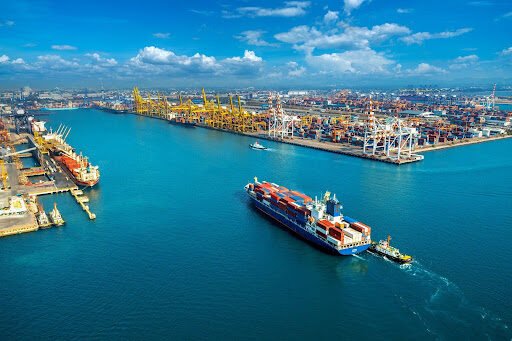
Ocean Freight Forwarder New Jersey: How Merkay Logistics Reduces Shipping Delays and Costs
Summary Read more “Ocean freight shipping can present challenges such as unexpected delays, customs documentation errors, rising transportation…
Read article →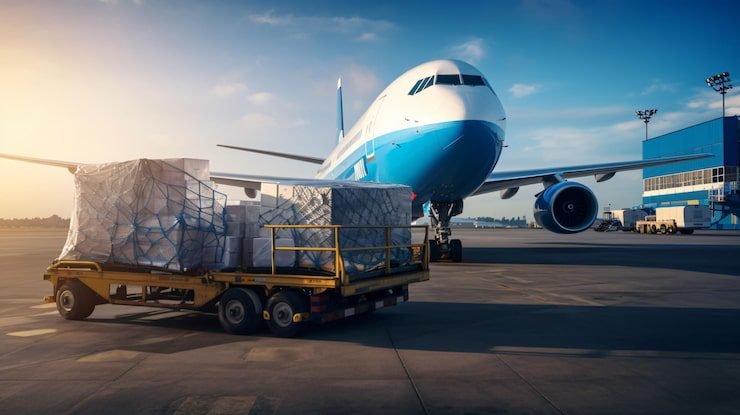
Air Shipping Services NJ: How Merkay Logistics Helps Businesses Meet Tight Deadlines
Summary Read more “Tight deadlines leave no room for shipping delays. This guide explains how air shipping services…
Read article →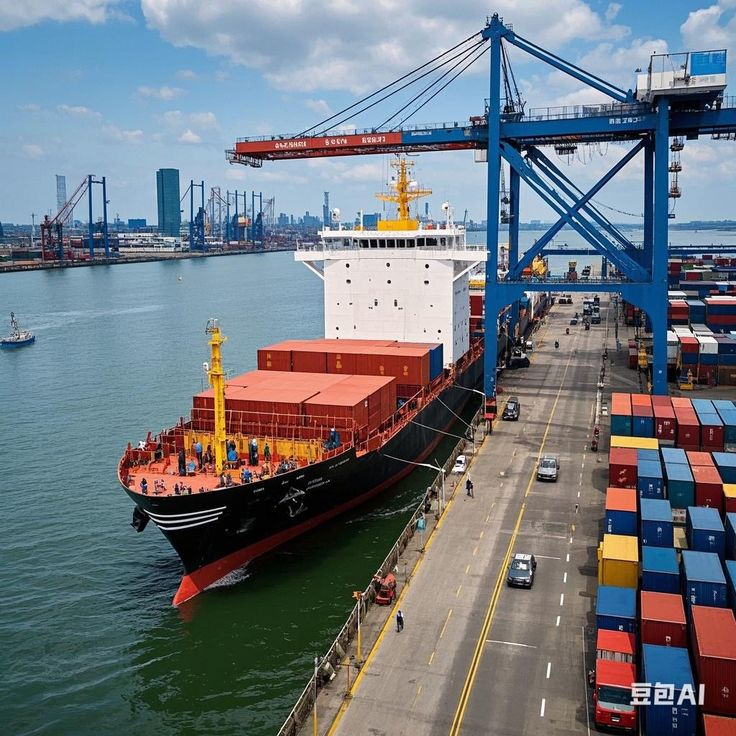
Ocean Freight Transportation Services: A Complete Guide for Businesses
Reliable Ocean Freight Transportation Services for Global Cargo Movement Moving goods across international borders requires a logistics partner…
Read article →Ready to move your next shipment?
Book a call with a Merkay specialist and get a clear plan — or send us the details for a fast, itemised quote.