Warehousing & Distribution: A Smarter Approach to Supply Chain Efficiency

Modern supply chains move fast. Customers expect accurate orders, dependable delivery, clear inventory visibility, and fewer delays, while businesses are under pressure to control costs. That is why warehousing & distribution is no longer simply about storing products and arranging transportation. It is a connected process that influences inventory control, customer satisfaction, cash flow, and growth.
For importers, exporters, manufacturers, retailers, and growing businesses, the right warehouse and distribution services can create a smoother path from inbound cargo to final delivery. Merkay Logistics supports storage and distribution alongside transportation, customs-related distribution, air freight, sea freight, and wider logistics coordination.
What Is Warehousing & Distribution?
Warehousing and distribution are closely connected, but they serve different purposes within the supply chain.
Warehousing focuses on receiving, storing, organizing, protecting, and managing goods until they are required.
Distribution focuses on moving those goods from storage facilities to retailers, commercial locations, fulfillment points, or other destinations.
| Function | Warehousing | Distribution |
| Primary purpose | Store and manage inventory | Move products to required destinations |
| Typical activities | Receiving, storage, inventory control | Dispatch and transport coordination |
| Main value | Product availability and organization | Reliable product movement |
| Key priority | Accuracy, security, accessibility | Timing, routing, delivery performance |
When these functions are managed together, businesses can reduce unnecessary handoffs and improve overall supply chain coordination.
Why Warehousing and Distribution Services Matter
As order volumes, suppliers, destinations, and product lines increase, logistics becomes more complicated.
Poorly coordinated storage and distribution can contribute to misplaced inventory, shipping delays, excessive stock, unnecessary handling, and poor customer experiences.
Professional warehouse and distribution services help create more organized and predictable processes.
Better Inventory Control
A structured warehousing process makes it easier to understand:
- What inventory has arrived
- Where products are stored
- What stock is currently available
- Which goods need to move next
- How inventory should be organized
Clear product organization can also reduce unnecessary searching and repeated handling.
For companies importing goods from international suppliers, accurate inventory management becomes even more important because stock information can influence purchasing, sales, and future shipment planning.
Stronger Transportation Coordination
Warehousing performs best when it is connected with transportation planning.
If inbound freight, storage, and outbound distribution are managed separately, communication gaps and unnecessary handoffs can occur.
An integrated approach can better coordinate:
- Inbound shipment schedules
- Warehouse receiving
- Available storage
- Cargo handling
- Shipment preparation
- Outbound transportation
- Final distribution requirements
This becomes particularly valuable for companies moving goods across international trade lanes.
How the Warehousing & Distribution Process Works
Although every supply chain has different requirements, professional warehousing & distribution generally involves several important stages.
1. Inbound Planning and Receiving
Warehouse efficiency begins before cargo reaches the facility.
The logistics team should understand:
- What is arriving
- Expected arrival time
- Shipment volume
- Required storage space
- Handling requirements
Once cargo reaches the warehouse, goods can be checked and directed to an appropriate storage area.
2. Storage and Product Placement
Inventory should be placed according to an organized strategy rather than simply using the first available space.
Warehouse placement may consider:
- Product size
- Weight
- Turnover frequency
- Handling requirements
- Shipment destination
- Expected storage duration
Thoughtful placement improves product accessibility and helps reduce unnecessary movement inside the warehouse.
3. Inventory Management
Once products are stored, maintaining accurate inventory information becomes essential.
Reliable inventory management supports better purchasing, sales, production, and distribution decisions.
It can also help businesses manage two common inventory challenges:
Overstocking: Excess products use valuable warehouse space and tie up working capital.
Stockouts: Insufficient inventory can delay orders, interrupt operations, and affect customer commitments.
4. Cargo Preparation and Handling
When inventory needs to move, warehouse teams may retrieve, consolidate, palletize, label, or otherwise prepare goods according to shipment requirements.
Careful preparation at the warehouse can help reduce problems later in the supply chain.
5. Outbound Distribution
Prepared goods then move into the appropriate transportation network.
Depending on the shipment, this may involve:
- Local road transportation
- Long-distance transportation
- Delivery to another distribution facility
- Commercial delivery
- Coordination with international freight movements
6. Communication and Exception Management
Logistics does not always follow the original plan.
Transportation delays, documentation issues, changing customer requirements, and unexpected disruptions can occur.
An experienced provider should therefore support clear communication and help customers understand the available next steps when circumstances change.
Warehousing for International Imports and Exports
International logistics adds additional stages to the warehousing process.
Cargo may move between:
Port or airport → customs process → inland transportation → warehouse → distribution network → final destination
Managing each activity through unrelated providers can create unnecessary complexity.
Businesses importing or exporting products can therefore benefit from working with logistics providers capable of coordinating multiple stages of the journey.
Merkay Logistics provides services across storage and distribution, road transportation, air transportation, sea transportation, project transportation, and customs and distribution support.
For example, an importer may need to coordinate:
- International ocean or air transportation
- Customs-related processes
- Inland transportation
- Warehouse receiving
- Storage
- Distribution to the next destination
Connecting these activities can create a clearer operational journey from cargo arrival to onward distribution.
Key Benefits of Professional Warehousing & Distribution
Improved Operational Efficiency
Organized receiving, product storage, cargo handling, and dispatch can reduce unnecessary movement and improve workflow.
Reduced Supply Chain Complexity
A logistics provider capable of coordinating multiple services may reduce the number of separate companies involved in freight, storage, customs-related processes, and transportation.
Greater Scalability
Storage and distribution requirements can change because of business growth, seasonal demand, new suppliers, promotions, or new markets.
Outsourced logistics support can give businesses greater flexibility when these requirements change.
Better Inventory Management
Structured warehouse processes provide businesses with a clearer understanding of what inventory is stored and what needs to move.
Support for Business Growth
Managing warehouses internally requires space, employees, systems, and operational attention.
Outsourcing suitable logistics activities allows businesses to direct more internal resources toward customers, products, sales, purchasing, and expansion.
What to Look for in a Warehouse and Distribution Services Provider
Choosing the right provider requires more than comparing warehouse size and price.
Location and Logistics Network
Consider how well the warehouse location connects with:
- Ports
- Airports
- Major highways
- Suppliers
- Customer destinations
- Distribution routes
A strategically suitable location can reduce unnecessary transportation.
Facility Security and Operating Standards
Businesses should ask how inventory is protected, how warehouse access is managed, and what operational safeguards are used.
Inventory Visibility
Understand how inventory is recorded and how information is communicated.
Ask whether the provider can provide appropriate inventory updates, reporting, and shipment information.
Transportation Capabilities
Warehousing becomes more useful when cargo can efficiently move both into and out of storage.
A provider with road, ocean, or air transportation capabilities can potentially simplify this coordination.
International Logistics Knowledge
Businesses involved in imports and exports should look for providers familiar with international transportation and customs-related logistics processes.
Communication
Logistics problems become harder to solve when communication is slow.
Before selecting a provider, determine:
- Who manages your shipments
- How updates are provided
- How problems are escalated
- How changing requirements are communicated
Flexibility
A logistics partner should understand that shipment volumes, destinations, timelines, and storage requirements may change.
Why Integrated Logistics Can Create a Stronger Supply Chain
Warehousing should not operate in isolation.
Effective supply chains connect storage decisions with transportation, shipment timing, customs coordination, inventory requirements, and final distribution.
Instead of asking only:
“Where will our products be stored?”
Businesses should also ask:
- How will inbound cargo reach the warehouse?
- How long will inventory remain in storage?
- How will goods be organized?
- What happens when inventory needs to move?
- Which transportation mode should be used?
- How will international shipments be coordinated?
- Who will communicate when requirements change?
This broader approach turns warehousing & distribution into an active part of supply chain planning rather than a standalone storage function.
For importers and exporters in particular, connecting transportation and warehousing can make complex international movements easier to manage.
Frequently Asked Questions
1. What is warehousing & distribution?
Warehousing and distribution is the coordinated process of receiving, storing, managing, preparing, and moving goods to their next destination. Warehousing focuses mainly on inventory storage and handling, while distribution focuses on outbound product movement.
2. What do warehouse and distribution services include?
Services can include receiving, storage, inventory management, cargo handling, palletizing, labeling, shipment preparation, transportation coordination, and distribution. Exact services vary depending on the provider and customer requirements.
3. What is the difference between warehousing and fulfillment?
Warehousing primarily focuses on storing and managing goods. Fulfillment generally includes processing orders, picking products, packing shipments, and sending them to customers.
4. Who needs warehousing and distribution services?
Importers, exporters, manufacturers, wholesalers, retailers, e-commerce companies, and other businesses that store or move physical goods may benefit from professional warehousing services.
5. Can warehousing help reduce logistics costs?
Potentially. Organized storage, better inventory management, efficient handling, and coordinated transportation can reduce certain logistics inefficiencies. Actual costs depend on shipment volume, storage requirements, transportation routes, and service needs.
Conclusion
Efficient warehousing & distribution can make a significant difference to how smoothly products move through a supply chain.
It connects inventory management with transportation, supports changing business requirements, and creates a more organized route from inbound cargo to onward distribution.
The right solution is not necessarily the warehouse with the greatest amount of space. Businesses should look for a logistics partner that understands the complete movement of goods, communicates clearly, accommodates changing requirements, and can coordinate storage with surrounding transportation activities.
For importers, exporters, manufacturers, distributors, and growing companies seeking more connected warehouse and distribution services, Merkay Logistics provides storage and distribution within a broader logistics offering.
More from the Merkay blog
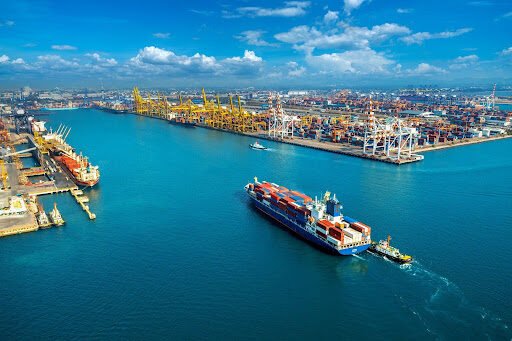
Ocean Freight Forwarder New Jersey: How Merkay Logistics Reduces Shipping Delays and Costs
Summary Read more “Ocean freight shipping can present challenges such as unexpected delays, customs documentation errors, rising transportation…
Read article →
Air Shipping Services NJ: How Merkay Logistics Helps Businesses Meet Tight Deadlines
Summary Read more “Tight deadlines leave no room for shipping delays. This guide explains how air shipping services…
Read article →
Logistical Warehousing Services: How Merkay Logistics Keeps Your Cargo Moving
A container lands at port, but your customer isn’t ready for it. A large shipment needs to be…
Read article →Ready to move your next shipment?
Book a call with a Merkay specialist and get a clear plan — or send us the details for a fast, itemised quote.