Ocean Freight Forwarder New Jersey: How Merkay Logistics Reduces Shipping Delays and Costs
Summary
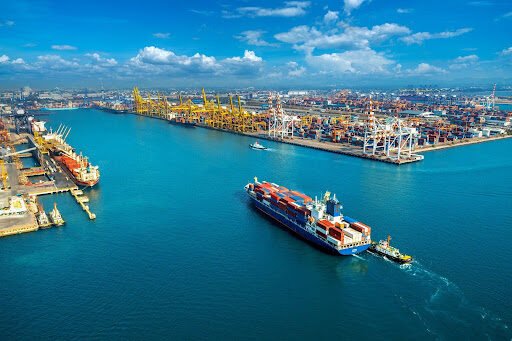
“Ocean freight shipping can present challenges such as unexpected delays, customs documentation errors, rising transportation costs, and port congestion. Working with an experienced ocean freight forwarder in New Jersey helps businesses manage these issues through better shipment planning, FCL and LCL shipping options, customs coordination, and efficient cargo handling. By choosing the right logistics partner, businesses can improve supply chain efficiency, reduce avoidable expenses, and ensure smoother international shipping operations. Merkay Logistics provides reliable ocean freight solutions to help businesses simplify shipping processes and manage their cargo with greater confidence.”
A container stuck at the port. A customs hold over one missing detail. A quote that doubles once port fees arrive. These are the problems that make international shipping stressful, and they are exactly what a good ocean freight forwarder in New Jersey is there to prevent.
At Merkay Logistics, our New Jersey team coordinates FCL and LCL ocean shipments for importers and exporters every week. This guide covers the most common ocean freight challenges and the practical steps that solve them, so your next shipment arrives on time and on budget.
What Does an Ocean Freight Forwarder in New Jersey Do?
An ocean freight forwarder organizes the movement of your cargo by sea, from the supplier’s door to yours. The ocean carrier runs the ship. The forwarder plans and connects everything around it: bookings, paperwork, port handling, customs coordination and trucking.
A New Jersey-based forwarder adds local know-how for cargo moving through the Port of New York and New Jersey and onward to warehouses across the region.
What a forwarder typically handles:
- Freight booking: securing vessel space and schedules
- Container planning: choosing FCL or LCL
- Documentation: commercial invoices, packing lists, bills of lading
- Customs coordination: working with licensed customs brokers
- Shipment updates: tracking milestones and managing exceptions
- Final delivery: trucking, warehousing and distribution
The real value is not booking a ship. It is spotting problems before they reach the port.
The 4 Biggest Ocean Freight Challenges (and How to Fix Them)
| Challenge | What goes wrong | The fix |
| Unpredictable delays | Weather, schedule changes, transshipment issues and port congestion push back arrival dates | Plan around a realistic transit window, not the vessel’s estimated arrival date |
| Customs documentation | Inconsistent invoices or classification trigger reviews and holds | Review documents with your forwarder and customs broker before cargo departs |
| Unexpected costs | Terminal fees, demurrage, detention, chassis and storage charges appear after arrival | Ask for an itemized quote that lists inclusions, exclusions and possible extras |
| Poor visibility | Suppliers, carriers, brokers and truckers update you separately, or not at all | Agree on milestone updates and one point of contact for the whole shipment |
One point worth knowing: U.S. Customs and Border Protection holds the importer responsible for the accuracy of customs entries, even when a licensed customs broker files them. Getting documents right early protects you.
How Does an Ocean Freight Forwarder Reduce Shipping Problems?
1. Plan the shipment before booking
Start with accurate cargo details: dimensions, gross weight, packaging, origin, destination and the date you actually need the goods. A retailer importing seasonal stock needs more schedule buffer than a manufacturer receiving routine raw materials. Planning around the real business need avoids last-minute changes.
2. Choose the right container option
| Factor | FCL (Full Container Load) | LCL (Less than Container Load) |
| Container | Dedicated to your cargo | Shared with other shippers |
| Best for | Larger shipments | Smaller shipments |
| Pricing | Per container | By volume or weight |
| Handling | Fewer touch points | Extra consolidation handling |
| Timing | Depends on vessel schedule | Also depends on consolidation schedule |
LCL lets smaller businesses ship without paying for a whole container, but consolidation can add time and destination charges. FCL often becomes cheaper per unit as volume grows. Compare the total landed cost, not just the freight rate.
3. Prepare customs documents early
Have these ready before cargo reaches the departure terminal:
- Commercial invoice
- Packing list
- Bill of lading
- Importer and consignee details
- Tariff classification (HTS codes)
- Permits or certificates, where required
For most U.S.-bound ocean shipments, Importer Security Filing (ISF) data must reach CBP at least 24 hours before cargo is loaded at the foreign port. Late or inaccurate filings can lead to penalties and holds.
4. Coordinate port pickup and inland trucking
A container that has arrived is not always ready to move. Customs release, carrier release, terminal appointments and warehouse receiving hours all need to line up. A forwarder coordinates these so your cargo doesn’t sit waiting, and building up storage fees, at the terminal.
5. Communicate clearly and plan for delays
A useful update tells you the vessel status, revised arrival date, any missing documents, release status and the next step. With that information, you can adjust warehouse staffing, inventory and customer promises before a delay becomes a problem.
How to Avoid Demurrage, Detention and Hidden Ocean Freight Charges
Demurrage is charged when a container stays at the terminal past its free time. Detention is charged when you keep the container outside the terminal past the allowed period. Both add up fast.
Ways to reduce them:
- Confirm free-time allowances before the vessel arrives
- Finish customs documents before arrival
- Book trucking and warehouse receiving early
- Track container availability and return deadlines
- Agree in writing who pays each charge
Build a full landed-cost budget. Include ocean freight, origin and destination handling, duties and taxes, customs brokerage, insurance and inland trucking. Comparing quotes on the same basis shows you the real difference between providers.
Why Does New Jersey Matter for Ocean Freight Logistics?
The Port of New York and New Jersey is the busiest container port on the U.S. East Coast. It links global shipping lanes with businesses across New Jersey, New York, Pennsylvania and the wider Northeast.
Working with an ocean freight forwarder in New Jersey gives you:
- Port familiarity: knowledge of terminal procedures and pickup rules
- Regional reach: connections to local trucking and warehouses
- Faster coordination: partners in the same region and time zone
- Flexible delivery: support for cargo going to multiple locations
Being close to the port helps, but it is planning and communication that keep cargo moving.
How to Choose the Right Ocean Freight Forwarder in New Jersey
Ask these seven questions before you sign on:
- Do you handle both FCL and LCL shipping?
- Which trade lanes do you ship on regularly?
- Can you coordinate customs brokerage through a licensed broker?
- Do you offer port handling, trucking and warehousing?
- How often will I get shipment updates?
- What charges are not included in your quote?
- What happens if a vessel is delayed or a delivery is missed?
Also check the forwarder’s licensing. The Federal Maritime Commission lets you verify ocean transportation intermediary (OTI) licenses online. A trustworthy forwarder explains risks honestly instead of promising that nothing will ever go wrong.
How Merkay Logistics Supports Ocean Freight Shipping
Merkay Logistics is a New Jersey-based freight forwarder with an international partner network supporting imports and exports across global trade lanes. Our ocean freight services include:
- FCL and LCL shipping, including cargo consolidation
- Port-to-port and door-to-door options
- Documentation and customs coordination with licensed brokers
- Trucking and warehousing in New Jersey and beyond
- Itemized quotes that show what’s included and what isn’t
Tell us your cargo volume, route, timeline and delivery needs, and we’ll recommend the most practical and cost-effective option, with clear expectations at every stage.
Frequently Asked Questions
Publish these at the end of the blog. Each answer is short enough for Google and AI search tools to quote directly.
What does an ocean freight forwarder in New Jersey do?
An ocean freight forwarder in New Jersey plans and coordinates international sea shipments: booking vessel space, arranging FCL or LCL containers, preparing documents, coordinating customs with licensed brokers, and organizing port pickup and trucking to your door.
How can a freight forwarder reduce shipping delays?
By catching document problems early, tracking shipment milestones, coordinating with carriers and booking trucking ahead of arrival. Weather and port congestion can still cause delays, but good planning reduces their impact on your business.
Is FCL or LCL better for small businesses?
LCL usually suits smaller shipments because you only pay for the space you use. FCL often becomes cheaper as volume grows and involves less handling. Merkay Logistics can compare both on total landed cost for your cargo.
What documents are needed for ocean freight to the U.S.?
Typically a commercial invoice, packing list, bill of lading, importer details and tariff classification, plus an Importer Security Filing for most shipments. Some goods also need permits or certificates.
How long does ocean freight to New Jersey take?
It depends on the origin port, route, vessel schedule, transshipment and destination processing. Ask for a route-specific estimate that includes customs clearance and inland delivery, not just port-to-port sailing time.
How do I avoid demurrage and detention charges?
Confirm free time before arrival, finish customs documents early, book trucking and warehouse receiving in advance, and return empty containers on time. Agree in writing who pays each charge.
Does Merkay Logistics offer door-to-door ocean freight?
Yes. Merkay Logistics offers both port-to-port and door-to-door ocean freight, covering pickup at origin, ocean transport, customs coordination, trucking and final delivery in New Jersey and beyond.
How do I choose a reliable ocean freight forwarder in New Jersey?
Check service coverage, FCL and LCL options, communication, transparent itemized pricing, trade-lane experience and FMC licensing. Choose a forwarder who explains risks honestly rather than promising delay-free shipping.
Conclusion: Ship Smarter With an Ocean Freight Forwarder in New Jersey
Ocean shipping challenges like delays, customs errors and surprise port fees are easier to avoid with the right planning. Merkay Logistics helps New Jersey importers and exporters choose the right FCL or LCL option, prepare documents early and coordinate every step from port to door, so your cargo arrives on time and on budget.
More from the Merkay blog
Air Shipping Services NJ: How Merkay Logistics Helps Businesses Meet Tight Deadlines
Summary Read more “Tight deadlines leave no room for shipping delays. This guide explains how air shipping services…
Read article →
Logistical Warehousing Services: How Merkay Logistics Keeps Your Cargo Moving
A container lands at port, but your customer isn’t ready for it. A large shipment needs to be…
Read article →
New Jersey Logistics Hub: Why Businesses Ship Through NJ
If you ship goods on the East Coast, there’s a good chance they pass through New Jersey. The…
Read article →Ready to move your next shipment?
Book a call with a Merkay specialist and get a clear plan — or send us the details for a fast, itemised quote.