Project Cargo and Oversized Cargo Transport: A Complete Guide for Complex Shipments
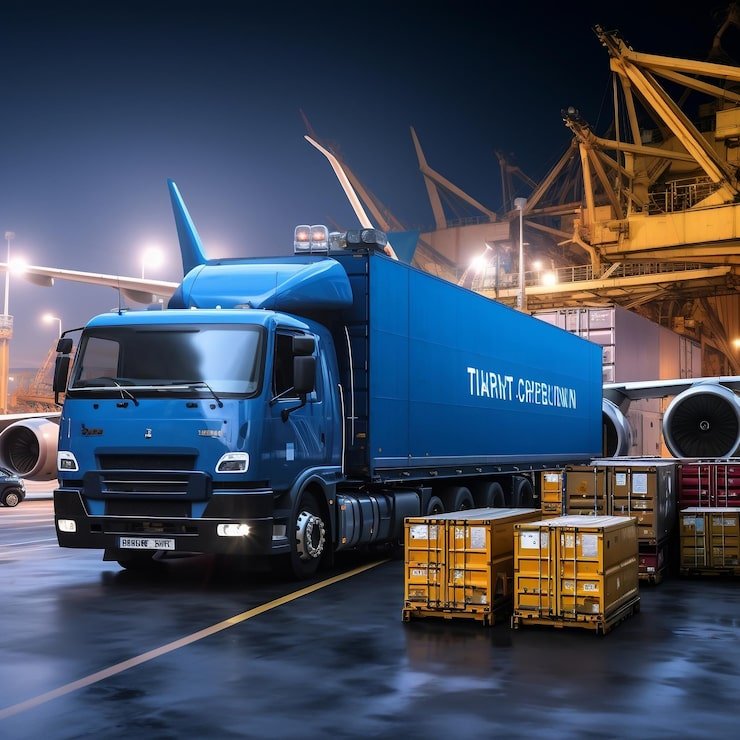
Move complex, heavy, and oversized shipments with smarter planning and specialized logistics.
Industrial projects do not always involve standard-sized shipments. A transformer, turbine component, manufacturing unit, construction module, or other large piece of equipment may be too heavy, too wide, too tall, or too complex for conventional freight transportation.
This is where project cargo and oversized cargo transport become essential.
At Merkay Logistics, we understand that moving complex cargo requires more than simply booking a truck, vessel, or aircraft. Successful transportation depends on planning, coordination, documentation, route evaluation, specialized handling, and communication throughout the shipment.
This guide explains what project cargo is, how oversized cargo transport works, what challenges businesses may face, and how professional logistics planning can help keep complex shipments moving efficiently.
Introduction to Project Cargo
Project cargo refers to large, heavy, high-value, oversized, or complex shipments that require customized logistics planning and specialized transportation solutions.
Unlike standard freight, project cargo cannot always move through a simple, repeatable shipping process. Each shipment may have different dimensions, weight limits, handling requirements, routes, deadlines, and regulatory considerations.
Examples can include:
- Industrial machinery
- Transformers and generators
- Turbine components
- Construction equipment
- Oil and gas equipment
- Manufacturing systems
- Steel structures
- Large pipes and tanks
- Infrastructure components
- Energy project equipment
Project cargo providers commonly use services such as route surveys, specialized trailers, heavy-lift coordination, multimodal transportation, port handling, and customs support.
What Is Oversized Cargo Transport?
Oversized cargo transport involves moving freight that exceeds standard transportation dimensions or requires special handling because of its size, shape, or weight.
The shipment may be:
- Too wide for standard transportation
- Too tall for normal road clearances
- Too long for conventional trailers
- Too heavy for standard equipment
- Difficult to load or secure
- Restricted by bridges, roads, ports, or other infrastructure
For this reason, oversized transportation often requires a detailed feasibility review before the cargo begins its journey.
Professional logistics planning may include:
- Measuring the cargo accurately.
- Reviewing weight distribution.
- Selecting appropriate transportation equipment.
- Conducting route surveys.
- Identifying infrastructure restrictions.
- Coordinating permits and approvals where required.
- Planning loading and unloading operations.
- Monitoring the shipment until final delivery.
Project Cargo vs. Standard Freight
| Feature | Standard Freight | Project Cargo |
| Cargo size | Usually standardized | Large, heavy, or irregular |
| Planning | Routine | Customized |
| Equipment | Standard trucks or containers | Specialized equipment |
| Route requirements | Standard routes | May require route surveys |
| Handling | Conventional | Specialized lifting and securing |
| Coordination | Limited | Multiple stakeholders |
| Documentation | Standard shipping documents | May involve additional permits and project coordination |
| Risk level | Moderate | Potentially higher due to complexity |
How Project Cargo Transportation Works
Successful project cargo transportation usually begins long before the shipment is loaded.
1. Cargo Assessment
The first step is understanding exactly what needs to move.
The logistics team should review:
- Length, width, and height
- Total weight
- Center of gravity
- Packaging requirements
- Lifting points
- Cargo value
- Delivery deadline
- Origin and destination
Accurate information is essential because equipment selection and transportation planning depend on these details.
2. Route Survey and Feasibility Planning
For complex oversized cargo transport, the planned route should be reviewed before transportation begins.
A route survey may examine:
- Bridge capacities
- Road widths
- Height restrictions
- Sharp turns
- Traffic conditions
- Power lines
- Tunnels
- Port access
- Site entry requirements
Specialized project cargo providers commonly identify these restrictions in advance to reduce unexpected delays and operational risks.
Callout: Plan Before the Cargo Moves
A strong project cargo strategy is proactive rather than reactive. Identifying restrictions before departure can help reduce costly delays, re-routing, additional handling, and scheduling disruptions.
3. Selecting the Right Equipment
Every project cargo movement requires equipment appropriate for the shipment.
Depending on cargo requirements, transportation may involve:
- Flatbed trailers
- Low-bed trailers
- Multi-axle trailers
- Hydraulic axle systems
- Flat-rack containers
- Open-top containers
- Heavy-lift vessels
- Breakbulk shipping arrangements
- Specialized lifting equipment
The right solution depends on the cargo and transportation route. For example, some out-of-gauge shipments can move using flat racks or open-top containers, while other extremely large or heavy items may require breakbulk or heavy-lift arrangements.
Multimodal Transportation for Project Cargo
One transportation mode is not always enough.
A shipment might travel through a combination of:
- Road transportation
- Ocean freight
- Rail transportation
- Air freight, when feasible and appropriate
For example, equipment may move:
Factory → Specialized Truck → Port → Heavy-Lift Vessel → Destination Port → Specialized Trailer → Project Site
This is known as a multimodal logistics approach.
The challenge is not simply arranging each transportation method. The real value comes from coordinating every stage so that timing, handling, documentation, and equipment availability work together.
Integrated project logistics services commonly combine inland transportation, port coordination, international shipping, and final site delivery.
Common Types of Project Cargo
Heavy Machinery
Manufacturing and industrial machinery can require customized loading, securing, and transportation plans.
Energy Equipment
Large transformers, generators, turbines, and other energy infrastructure components often involve specialized logistics planning.
Construction Components
Large structural elements and construction equipment may require oversized transportation arrangements.
Oil and Gas Equipment
Pressure vessels, modules, pipes, and industrial systems may require coordinated transportation across multiple locations.
Infrastructure Cargo
Major infrastructure projects can involve large components that must arrive according to carefully managed construction schedules.
The Biggest Challenges in Project Cargo Logistics
Project cargo is complex because several risks can occur simultaneously.
1. Infrastructure Restrictions
Roads, bridges, and ports may have physical or operational limitations.
2. Scheduling Pressure
Industrial projects often have strict timelines. A delayed component can potentially affect the next stage of a larger project.
3. Multiple Stakeholders
Project cargo may involve:
- Manufacturers
- Freight forwarders
- Transport providers
- Port operators
- Customs professionals
- Lifting specialists
- Site managers
- Regulatory authorities
Clear communication becomes essential.
4. Cargo Safety
Heavy or irregular cargo requires proper lifting, securing, lashing, and handling procedures.
5. Regulatory Requirements
Depending on the route and shipment, permits, documentation, customs requirements, or other approvals may need to be coordinated.
Benefits of Professional Project Cargo Planning
Working with an experienced logistics provider can offer several important advantages.
Better Risk Management
Potential route, equipment, handling, and timing challenges can be identified before transportation begins.
Improved Cost Control
Planning early can help businesses avoid unnecessary re-routing, storage, handling, or scheduling costs.
Specialized Coordination
A project cargo shipment often involves multiple service providers. Central coordination can make the process easier to manage.
Greater Visibility
Regular shipment updates help project managers understand where critical equipment is during transportation.
Customized Solutions
Instead of forcing complex cargo into a standard shipping process, logistics planning can be designed around the shipment’s actual requirements.
How to Choose a Project Cargo Logistics Partner
Before selecting a provider, ask important questions.
Does the provider understand complex cargo requirements?
Look for experience with heavy, oversized, industrial, or out-of-gauge shipments.
Can the provider coordinate multiple transportation modes?
Project cargo may require road, ocean, air, or other transportation combinations.
Is there a clear planning process?
A reliable provider should begin by understanding the cargo, route, timeline, and handling requirements.
Can the provider support documentation and coordination?
Complex international shipments may require careful documentation and communication between different parties.
Will you have a clear point of contact?
Project cargo involves many moving parts. Clear accountability and communication are valuable.
Competitor analysis also shows that dedicated project managers, pre-shipment planning, route studies, and end-to-end coordination are common differentiators among specialized project logistics providers.
How Merkay Logistics Can Support Complex Cargo Movements
At Merkay Logistics, our approach to project cargo is centered on understanding the specific requirements of every shipment.
Complex freight should not be treated as a standard shipment with a different label. Large, heavy, or irregular cargo may require careful coordination between transportation, handling, documentation, and delivery teams.
A customized logistics strategy may include:
- Cargo assessment and shipment planning
- Transportation coordination
- International freight support
- Road, sea, and air freight solutions
- Customs and documentation coordination
- Storage and distribution support
- Shipment communication and coordination
- End-to-end logistics planning
The objective is to help businesses manage complicated cargo movements through a structured and coordinated logistics process.
Frequently Asked Questions About Project Cargo
1. What is project cargo?
Project cargo is freight that is large, heavy, oversized, high-value, or operationally complex and requires specialized logistics planning and transportation.
2. What is oversized cargo transport?
Oversized cargo transport is the movement of freight that exceeds standard transportation dimensions or requires specialized equipment, planning, and handling.
3. What types of cargo require project logistics?
Examples include industrial machinery, transformers, turbines, construction equipment, large steel structures, energy components, and other out-of-gauge shipments.
4. Why is a route survey important?
A route survey helps identify restrictions such as bridge limits, road widths, height clearances, sharp turns, and other obstacles before transportation begins.
5. Can project cargo be transported internationally?
Yes. International project cargo may involve combinations of inland transportation, ocean freight, air freight, port coordination, customs processes, and final delivery.
6. What equipment is used for oversized cargo?
Depending on the shipment, equipment may include flatbeds, low-bed trailers, multi-axle systems, flat racks, open-top containers, heavy-lift vessels, and specialized lifting equipment.
Conclusion
Moving complex freight requires more than transportation capacity. Project cargo and oversized cargo transport demand careful planning, technical understanding, specialized equipment, and coordination across multiple stages.
From the first cargo assessment to final site delivery, every detail can influence safety, cost, timing, and operational success.
The most effective strategy is to begin with accurate cargo information and develop a logistics plan around the shipment’s actual requirements rather than relying on a one-size-fits-all solution.
Whether your business needs to move heavy machinery, industrial equipment, oversized components, or complex international freight, Merkay Logistics can help support a coordinated approach to transportation and logistics.
More from the Merkay blog
Ocean Freight Forwarder New Jersey: How Merkay Logistics Reduces Shipping Delays and Costs
Summary Read more “Ocean freight shipping can present challenges such as unexpected delays, customs documentation errors, rising transportation…
Read article →
Air Shipping Services NJ: How Merkay Logistics Helps Businesses Meet Tight Deadlines
Summary Read more “Tight deadlines leave no room for shipping delays. This guide explains how air shipping services…
Read article →
Logistical Warehousing Services: How Merkay Logistics Keeps Your Cargo Moving
A container lands at port, but your customer isn’t ready for it. A large shipment needs to be…
Read article →Ready to move your next shipment?
Book a call with a Merkay specialist and get a clear plan — or send us the details for a fast, itemised quote.