Ocean Freight Logistics in New Jersey: A 2026 Guide for Importers and Exporters
Summary
New Jersey is the East Coast’s top ocean freight gateway. This 2026 guide explains FCL vs LCL, what shipping really costs, ISF and customs basics, the latest port trends, and how to choose the right freight forwarder for your imports and exports.
If your cargo moves by sea to or from the U.S. East Coast, it very likely passes through New Jersey. In 2026 that journey looks different: trade policy shifts pulled the peak shipping season forward, fuel surcharges changed carrier pricing, and importers are planning further ahead than ever.
This guide covers the ocean freight logistics New Jersey businesses need to know in 2026: how FCL and LCL compare, what drives your total cost, and what to check before you hire an ocean freight forwarder in New Jersey.
What is ocean freight logistics?
Ocean freight logistics is everything it takes to move goods between countries by sea, not just the voyage. A typical shipment includes:
- Planning and booking: cargo details, Incoterms, route, and vessel space.
- Origin handling: pickup, packing, container loading or LCL consolidation, export paperwork.
- Ocean transit: port-to-port movement on the carrier’s schedule.
- U.S. import clearance: ISF filing, customs entry, duties, and any agency holds.
- Port release and drayage: collecting the container from the terminal.
- Final mile: transloading, warehousing, or direct truck delivery to your door.
A delay at any one step affects the next. That is why most businesses hand ocean freight logistics New Jersey shipments to one forwarder who coordinates the whole chain. For a broader overview, read our complete guide to ocean freight transportation.
Why New Jersey is the East Coast’s ocean freight gateway
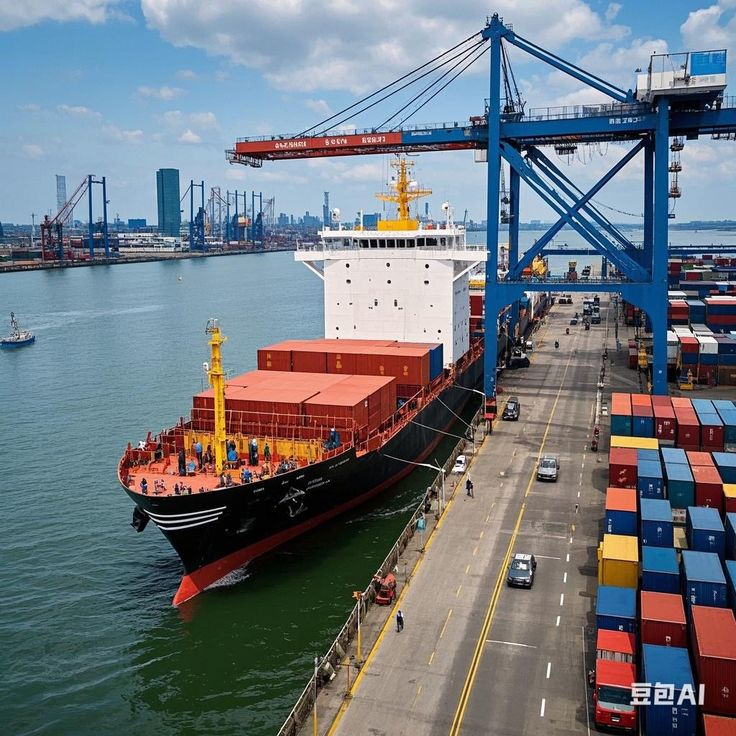
The Port of New York and New Jersey is one of the busiest container gateways in the country, and most of its container terminals sit on the New Jersey side, including Port Newark and the Elizabeth-Port Authority Marine Terminal.
- Volume: The port handled about 4.43 million TEUs in the first half of 2026, level with the same period in 2025 (Container News).
- Bigger ships: Channel and bridge upgrades now let the port receive vessels of nearly 17,000 TEUs (NJTPA).
- Truck-first market: Port officials report about 85% of the port’s volume stays within roughly 250 miles, moving by truck (NJTPA). That makes reliable drayage and nearby warehousing just as important as the ocean booking.
For ocean freight logistics New Jersey shippers, this means fast access to the New York metro, Pennsylvania, and New England markets. Learn more about why businesses ship through NJ.
FCL vs. LCL: which one fits your shipment?
FCL (Full Container Load) means you book a whole 20ft or 40ft container. LCL (Less than Container Load) means your cargo shares a container with other shippers and you pay by volume (CBM) or weight.
| Factor | FCL | LCL |
|---|---|---|
| Best for | Larger, regular shipments | Smaller or trial orders |
| Pricing | Per container | Per CBM or weight |
| Handling | Sealed at origin, fewer touches | Consolidated and deconsolidated |
| Transit | Fewer steps | Extra time at CFS warehouses |
| Cargo risk | Lower | Slightly higher (more handling) |
Rule of thumb: once an LCL shipment reaches roughly 13 to 15 CBM, a 20ft FCL is often worth quoting too. Use our CBM calculator to measure your volume, then compare both on total landed cost, not just ocean freight.
What ocean freight costs include in 2026
The ocean rate is only one line on your invoice. A realistic budget covers:
| Cost | What it covers |
|---|---|
| Ocean freight | Port-to-port carriage |
| Surcharges | Fuel (BAF), peak season, and security fees |
| Origin charges | Pickup, export handling, terminal fees |
| Destination charges | Terminal handling, CFS fees for LCL, delivery order |
| Customs and duties | Brokerage, ISF, duties, and current tariffs |
| Drayage and delivery | Port to warehouse or door |
| Demurrage and detention | Fees when containers sit too long |
How to keep costs down:
- Book 3 to 4 weeks ahead, longer near peak season.
- Share accurate weights and dimensions so you are not re-billed.
- Pre-plan customs paperwork so containers clear before free time ends.
- Line up warehouse or transloading space before the vessel arrives.
- Always ask for an itemized quote so destination charges are not a surprise.
Customs clearance and documentation
Most delays at Port Newark are paperwork delays. Keep these ready for every import:
- Commercial invoice and packing list
- Bill of lading (or sea waybill)
- Certificate of origin, where trade rules require it
- Agency permits for regulated goods (food, electronics, chemicals)
- Customs entry and duty payment
ISF (10+2): For most ocean imports into the U.S., the Importer Security Filing must reach U.S. Customs and Border Protection at least 24 hours before cargo is loaded at the foreign port. Late or missing ISF filings can lead to penalties and holds. The importer remains responsible even when a broker files it.
Our customs house agent services help importers prepare entries, review documents, and avoid costly holds.
2026 trends shaping ocean freight logistics New Jersey importers rely on
1. The peak season came early and ran long. Trade policy changes pushed shippers to bring cargo in early. The port’s June 2026 volume hit 769,422 TEUs, up 11.9% year on year, which port officials tied to a front-loaded peak season (Progressive Railroading).
2. Volumes are now easing into year-end. The National Retail Federation’s October 2026 Global Port Tracker says the drawn-out peak is wrapping up, forecasting national imports of about 2.25 million TEUs in October and around 2 million in November (NRF). For shippers, a softer Q4 can mean better space availability and room to negotiate rates.
3. Surcharges and tariffs drive landed cost. Higher fuel surcharges and new U.S. tariffs were key reasons shippers front-loaded earlier this year (Baird Maritime). Check duty rates on official CBP sources before you finalize supplier pricing.
4. Warehousing near the port matters more. With volumes arriving in waves, importers increasingly use transloading and short-term storage to avoid demurrage and spread deliveries over time.
What to do now: book Q1 2027 shipments early, review your Incoterms with suppliers, and line up storage before Chinese New Year and spring restocking.
How to choose an ocean freight forwarder in New Jersey
Use this checklist when comparing providers:
- Experience with your trade lane and cargo type (consumer goods, food, electronics, project cargo)
- FCL and LCL options so you can switch as volumes change
- In-house or partner customs support for ISF and entry filing
- Warehousing and trucking near the port to reduce handoffs
- Transparent, itemized pricing with no hidden destination fees
- Responsive communication and shipment tracking
- Federal Maritime Commission credentials, which you can verify on the FMC website
Our ocean freight logistics New Jersey services
Merkay Logistics is a boutique freight forwarder at 75 Harrison St, Little Falls, NJ, with operations in India and a global agency network. Instead of treating you like a booking number, our team builds a plan around your cargo.
Our ocean freight services include:
- FCL and LCL shipping on major global trade lanes, with cargo consolidation
- Port-to-port or door-to-door delivery
- Customs house agent support for import and export clearance
- Shared warehousing and transloading close to the port
- End-to-end trucking through our truck freight service
- Cargo insurance options for added protection
- Online shipment tracking and 24/7 support
We regularly handle consumer goods, temperature-controlled food products, and electronics. Our NJ hub and India operations make us a practical partner for India–U.S. trade, while our agency agreements cover Europe, Türkiye, Asia, and beyond.
Explore our ocean freight services or see how our warehousing and transloading keeps cargo moving after it lands.
Frequently asked questions
What does ocean freight logistics New Jersey include?
It covers the coordination of international sea shipments through New Jersey’s port terminals, including booking, customs clearance, container handling, drayage, warehousing, and final delivery.
What does an ocean freight forwarder in New Jersey do?
A forwarder books vessel space, prepares shipping documents, coordinates customs, and arranges trucking or storage so your cargo moves from origin to your door with one point of contact.
Should a small business choose FCL or LCL?
LCL usually suits smaller or first-time orders. Once you regularly ship around 13 to 15 CBM or more, compare it with a 20ft FCL quote on total landed cost.
How long does ocean freight to New Jersey take?
It depends on the origin port, route, and transshipments. Allow extra days for LCL deconsolidation, customs clearance, and final delivery, and ask your forwarder for a route-specific schedule.
What is ISF, and when is it due?
ISF (10+2) is a security filing for most U.S. ocean imports. It must reach CBP at least 24 hours before cargo is loaded at the foreign port.
How are ocean freight costs calculated?
Costs depend on container type or cargo volume, route, surcharges, origin and destination handling, customs, duties, and inland delivery. An itemized quote shows each charge.
How can I avoid demurrage at Port Newark?
File customs documents early, schedule drayage before the vessel arrives, and arrange transloading or warehouse space so containers leave the terminal within free time.
Does Merkay Logistics offer FCL and LCL ocean freight?
Yes. We offer FCL, LCL, and consolidation, with port-to-port or door-to-door options, customs support, warehousing, and trucking from its New Jersey hub.
Do you handle shipments between India and the U.S.?
Yes. With a New Jersey hub and operations in India, we support India–U.S. ocean freight in both directions.
Plan your next shipment through New Jersey
New Jersey gives importers and exporters direct access to one of the largest ports in the U.S. and the dense Northeast market behind it. The businesses that get the most from it plan ahead, compare FCL and LCL on landed cost, keep customs paperwork tight, and line up storage before cargo lands.
Merkay Logistics brings the ocean freight logistics New Jersey businesses need under one roof, from booking and customs support to warehousing and trucking, with a boutique team that answers 24/7.
Ready to move your next shipment?
Book a call with a Merkay specialist and get a clear plan — or send us the details for a fast, itemised quote.