Truck Transportation Services: A Guide to Ground Freight Shipping in New Jersey

Moving commercial goods requires more than finding an available truck. Businesses need suitable transportation arrangements, clear communication, accurate documentation, and delivery planning that supports their operations.
Professional truck transportation services help companies move goods between warehouses, distribution centers, suppliers, and customers. Whether you’re arranging a single pallet or a full truckload, understanding your shipping options can help you make informed logistics decisions.
This guide explains how ground freight shipping in New Jersey works, the transportation options available, what influences shipping costs, and how to select a logistics partner for your business.
What Are Truck Transportation Services?
Truck transportation services involve moving commercial goods by road using vehicles suited to the shipment’s size, weight, handling requirements, and destination.
Road freight connects manufacturers, importers, wholesalers, warehouses, retailers, and other businesses. It also supports multimodal shipping by transporting cargo between ports, airports, distribution facilities, and final delivery locations.
Unlike parcel delivery, commercial freight transportation often involves palletized goods, bulk shipments, industrial equipment, or products requiring specialized handling.
Why businesses depend on road freight
Road transportation offers flexibility in shipment planning and pickup or delivery locations. It can also connect facilities that are not directly accessible by rail, air, or sea.
Common uses include:
- Transporting inventory between warehouses.
- Delivering raw materials to manufacturing facilities.
- Moving imported cargo from ports to distribution centers.
- Replenishing retail and wholesale inventory.
- Shipping equipment and commercial supplies.
- Supporting regional and interstate distribution.
The appropriate service depends on shipment volume, destination, cargo characteristics, and delivery requirements.
Why Ground Freight Shipping Matters in New Jersey
New Jersey plays an important role in commercial transportation because of its access to major highways, ports, industrial areas, and nearby consumer markets.
Businesses operating in and around Newark, Jersey City, Elizabeth, and other commercial areas often depend on road freight to connect suppliers, warehouses, and customers.
The state’s proximity to New York and Pennsylvania also makes ground transportation relevant for regional distribution.
Connecting ports, warehouses, and businesses
Imported goods frequently require additional transportation after arriving at a port or terminal.
Depending on the shipment, the process may involve container pickup, customs release, transloading, warehousing, and final delivery.
For example, an importer receiving goods through the Port of New York and New Jersey may need transportation to a warehouse before distributing products to customers.
Coordinating these stages can help reduce unnecessary handling, avoid scheduling conflicts, and improve shipment visibility.
However, port pickup and container transportation may require specialized equipment, terminal appointments, and additional documentation.
Types of Truck Transportation Services
Different freight transportation methods serve different shipment sizes and operational needs.
Understanding these options helps businesses avoid paying for unnecessary capacity or choosing a service unsuitable for their cargo.
1. Full Truckload (FTL) Shipping
Full truckload shipping generally involves reserving an entire trailer for one shipment.
It is commonly used for larger shipments, substantial pallet quantities, or goods that benefit from reduced handling.
FTL may be appropriate when:
- Cargo occupies most of a trailer.
- The shipment requires dedicated capacity.
- Handling needs to be minimized.
- Pickup and delivery schedules require closer coordination.
FTL does not automatically guarantee faster delivery, but it can reduce transfers compared with some shared freight arrangements.
2. Less-Than-Truckload (LTL) Shipping
Less-than-truckload shipping allows multiple customers’ shipments to share trailer capacity.
Businesses typically pay according to shipment characteristics and the carrier’s pricing structure rather than reserving an entire truck.
LTL is often suitable for smaller commercial shipments that do not require dedicated trailer space.
Because shipments may pass through multiple terminals, accurate packaging, labeling, and documentation are especially important.
3. Regional and Long-Distance Freight
Regional freight transportation connects businesses within nearby states or commercial markets.
Long-distance freight supports shipments traveling across larger geographic areas.
Both services require consideration of driving regulations, transit expectations, cargo requirements, and receiving schedules.
FTL vs. LTL: Which Is Better?
| Factor | FTL Shipping | LTL Shipping |
| Shipment size | Larger loads | Smaller loads |
| Trailer capacity | Dedicated | Shared |
| Handling | Generally fewer transfers | May involve terminals |
| Pricing | Typically trailer or lane based | Shipment characteristics and tariffs |
| Best suited for | Large-volume shipments | Smaller palletized shipments |
| Scheduling | More direct coordination possible | Depends on carrier network |
Key takeaway: Neither method is universally better. Compare total shipping cost, handling requirements, delivery expectations, and shipment size before selecting an option.
Important shipping documents
Depending on the freight movement, documentation may include a bill of lading, packing list, shipment reference, delivery instructions, and proof of delivery.
Cross-border or import-related shipments can require additional paperwork.
Providing accurate shipment information at the beginning helps logistics teams plan appropriate transportation arrangements.
What Affects Truck Freight Shipping Costs?
The cost of commercial road transportation varies considerably between shipments.
Businesses evaluating ground freight shipping in New Jersey should understand the factors that influence their final quote.
Distance and transportation route
Longer routes generally involve greater transportation resources. However, pricing also depends on available capacity, route demand, and operational conditions.
Cargo weight and dimensions
Freight providers assess shipment weight, dimensions, pallet count, and equipment requirements.
For LTL shipments, freight classification and density may also affect pricing.
Freight type and equipment
A standard dry-van shipment may have different requirements from temperature-controlled cargo or oversized equipment.
Specialized transportation can involve additional costs.
Additional services
Charges may apply for liftgate delivery, limited-access locations, appointment scheduling, waiting time, or other handling requirements.
Practical tip: Request an itemized freight quote that identifies transportation charges and applicable additional fees. This makes comparing options easier and helps prevent unexpected costs.
Benefits of Professional Truck Transportation Services
Businesses can gain operational advantages from well-organized freight transportation.
Flexible Transportation Planning
Road freight can accommodate different shipment sizes, routes, and pickup or delivery arrangements, subject to equipment and carrier availability.
Better Cargo Coordination
Suitable packaging, handling instructions, and freight planning help businesses manage the movement of goods.
Improved Cost Planning
Comparing LTL and FTL arrangements helps businesses evaluate transportation expenses against shipment requirements.
Warehouse and Distribution Support
Road transportation connects storage facilities, production locations, and delivery destinations within a broader supply chain.
These advantages depend on proper execution, realistic scheduling, and the capabilities of the selected transportation provider.
How to Choose the Right Truck Transportation Provider
Choosing a freight transportation company involves more than comparing the lowest quoted price.
Businesses should assess whether a provider understands their cargo requirements and can coordinate the necessary services.
Important factors to evaluate
- Service coverage: Confirm that the provider can arrange transportation along your required route.
- Freight options: Check whether the available transportation methods suit your shipment.
- Communication: Understand how shipment updates and delivery exceptions are handled.
- Pricing transparency: Review additional charges and payment terms.
- Cargo requirements: Discuss packaging, handling, insurance, and equipment needs.
- Operational coordination: Determine whether the provider can support warehouse transfers or multimodal movements when required.
A suitable logistics partner should be able to explain the transportation process clearly and identify requirements before booking.
Common Freight Shipping Mistakes to Avoid
Even routine shipments can encounter delays or additional charges when important details are overlooked.
Providing incomplete cargo information
Incorrect weight, dimensions, or pallet counts can affect equipment selection and pricing.
Choosing freight services based only on price
The lowest initial quote may not account for accessorial charges, handling requirements, or service limitations.
Ignoring delivery restrictions
Some facilities have restricted receiving hours, appointment requirements, or limited unloading equipment.
Using unsuitable packaging
Freight may experience vibration, movement, stacking, or multiple handling stages. Appropriate packaging helps reduce exposure to damage.
Booking without confirming schedules
Transit estimates should be distinguished from guaranteed delivery commitments. Confirm time-sensitive requirements before arranging transportation.
How Merkay Logistics Supports Road Freight Transportation
Businesses often require freight coordination that fits into a broader logistics process rather than operating as a separate shipping activity.
Merkay Logistics offers truck freight transportation as part of its logistics services, alongside ocean freight, air freight, warehousing, and customs-related support.
Its published truck freight information discusses local, regional, and long-distance movements, as well as full truckload and less-than-truckload arrangements.
Merkay Logistics+1
For businesses managing multiple stages of cargo movement, coordinated logistics planning can help connect transportation requirements with storage and distribution activities.
When requesting services for a New Jersey shipment, businesses should confirm the applicable route, equipment availability, service arrangements, and estimated delivery schedule.
For more information, explore Merkay’s truck freight services or its broader logistics solutions.
Frequently Asked Questions About Truck Transportation Services
1. What are truck transportation services?
Truck transportation services involve moving commercial goods by road between locations such as warehouses, manufacturers, distribution centers, and customer facilities.
2. What is ground freight shipping in New Jersey?
Ground freight shipping in New Jersey refers to transporting commercial cargo by road within the state or between New Jersey and other destinations. It can include local, regional, and interstate shipments.
3. What is the difference between FTL and LTL shipping?
FTL typically reserves an entire trailer for one shipment, while LTL combines shipments from multiple customers in shared trailer space. The appropriate option depends on shipment size, cost, and handling needs.
4. How much do truck transportation services cost?
Costs depend on distance, cargo dimensions, weight, equipment, service type, and additional requirements. Businesses should request shipment-specific quotes rather than relying on a fixed estimate.
5. How long does ground freight shipping take?
Transit time depends on the route, shipment type, carrier network, weather, traffic, and scheduling conditions. Standard transit estimates are not necessarily guaranteed delivery times.
6. Can truck freight services handle small shipments?
Yes. LTL shipping is commonly used for smaller commercial shipments that do not require an entire trailer. Eligibility depends on cargo characteristics and the carrier’s requirements.
7. What information is needed for a freight quote?
Businesses should provide pickup and delivery locations, cargo description, dimensions, weight, pallet count, preferred dates, and any special handling or equipment requirements.
8. Are truck transportation services suitable for warehouse deliveries?
Yes. Road freight is commonly used to move products between suppliers, warehouses, distribution centers, and commercial receiving facilities.
9. How can businesses reduce freight shipping problems?
Accurate shipment details, appropriate packaging, clear delivery instructions, and early coordination can help minimize avoidable disruptions.
10. Does Merkay Logistics offer truck freight services?
Yes. Merkay Logistics lists truck freight among its services and describes support for different road freight requirements. Businesses should contact the company to confirm availability for their specific shipment and route.
Conclusion
Reliable freight transportation begins with selecting a service that matches the shipment’s size, destination, handling needs, and delivery requirements.
Understanding the differences between FTL and LTL, preparing accurate shipment details, and comparing complete transportation quotes can help businesses make better logistics decisions.
For companies exploring truck transportation services or planning ground freight shipping in New Jersey, clear communication and practical freight planning are important parts of an effective shipping process.
Businesses looking to coordinate their next commercial shipment can discuss transportation requirements, available options, and logistics arrangements with Merkay Logistics.
More from the Merkay blog
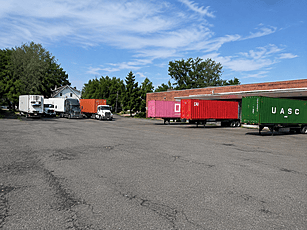
Port to Warehouse: Ground Freight Shipping in New Jersey with Merkay Logistics
Your container has arrived at the port. Now comes the part many importers underestimate: getting it released, picked…
Read article →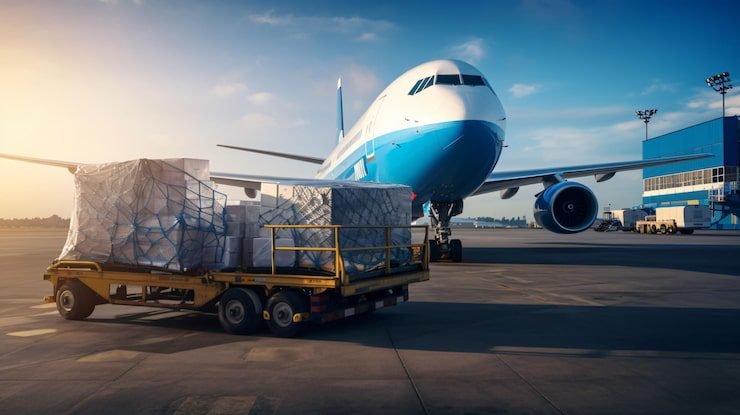
Air Freight Costs in New Jersey Explained: How Merkay Logistics Helps You Get an Accurate Quote
Two air freight quotes for the same shipment can look very different. One may seem cheaper until destination…
Read article →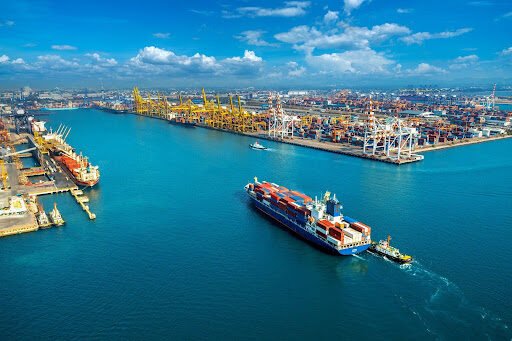
Ocean Freight Forwarder New Jersey: How Merkay Logistics Reduces Shipping Delays and Costs
Summary Read more “Ocean freight shipping can present challenges such as unexpected delays, customs documentation errors, rising transportation…
Read article →Ready to move your next shipment?
Book a call with a Merkay specialist and get a clear plan — or send us the details for a fast, itemised quote.