Port to Warehouse: Ground Freight Shipping in New Jersey with Merkay Logistics
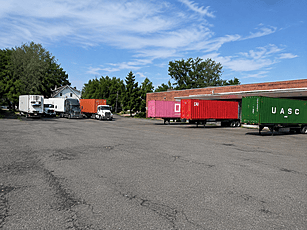
Your container has arrived at the port. Now comes the part many importers underestimate: getting it released, picked up and delivered to your warehouse before extra fees start adding up.
For importers who rely on ground freight shipping New Jersey, that last stretch from terminal to dock is where good planning pays off. A missed pickup window or a customs hold can turn an on-time shipment into a costly delay.
In this guide, Merkay Logistics walks through how port-to-warehouse trucking works, which charges to watch for, and how coordinated customs, trucking and warehousing keep your cargo moving.
Why Port-to-Warehouse Trucking Matters in New Jersey
The Port of New York and New Jersey is one of the busiest container ports on the US East Coast. Its major terminals, including Port Newark and Port Elizabeth, sit right beside New Jersey’s dense network of highways and warehouses.
That location makes ground cargo transportation New Jersey a vital link in the import supply chain. Ocean carriers bring containers to the port, but trucks carry them the final miles to distribution centers, retail stores and factories.
The short distance hides real complexity. Terminal appointments, customs release, chassis availability and warehouse receiving hours all have to line up for a smooth delivery.
From Vessel to Warehouse: How the Process Works
Moving an import container from the port to your door usually follows six stages.
- Pre-arrival planning. Share the bill of lading, container number, commercial invoice and packing list before the vessel arrives. This gives time to prepare customs filings and book trucking.
- Customs clearance. A licensed customs broker files the entry. Cargo cannot leave the terminal until US Customs and Border Protection releases it.
- Carrier and terminal release. Freight charges must be paid and the ocean carrier must release the container. The terminal must also show it as available for pickup.
- Container pickup. A trucker books a terminal appointment, collects the container on a chassis and leaves the port.
- Delivery and unloading. The container is delivered to your warehouse, or to a partner warehouse, at a scheduled time. Cargo is unloaded and checked against the packing list.
- Empty return. The empty container goes back to the terminal or depot named by the ocean carrier.
Tip: Most delays happen between stages 2 and 4. Starting customs paperwork early is the simplest way to protect your timeline.
How to Avoid Demurrage, Detention and Other Extra Charges
Port-related fees can quickly exceed the cost of the trucking itself. Knowing what each charge means helps you plan around it.
| Charge | When It Applies | How to Avoid It |
| Demurrage | Container stays at the terminal past its free time | Clear customs early and book pickup promptly |
| Detention / per diem | Container is kept outside the terminal past its free days | Unload quickly and return the empty on time |
| Chassis fees | Charged per day while the chassis is in use | Plan unloading so the chassis returns fast |
| Storage / pre-pull | Container is pulled early and held at a yard | Use only when it saves on demurrage |
| Wait time | Driver waits beyond the free loading time | Confirm dock availability and receiving hours |
| Exam fees | Customs selects the cargo for inspection | Submit accurate, complete documents |
Free time and fee rates vary by carrier and terminal, so confirm them for every shipment.
A Quick Prevention Checklist
- Send shipping documents to your broker before the vessel arrives
- Check your container’s free time with the ocean carrier
- Book trucking as soon as release is expected
- Confirm the warehouse can receive on the planned date
- Return empties promptly after unloading
How Merkay Logistics Connects Customs, Trucking and Warehousing
When customs, trucking and storage are handled by separate companies, small gaps between them often cause the biggest delays. Merkay Logistics brings these services together so one team can coordinate each handoff.
- Customs support: Help preparing documentation for timely cargo release.
- Truck freight with an owned fleet: Ground transportation from the port to your facility or a storage location.
- Warehousing: Space to receive, store and prepare goods for onward distribution when your own dock is full.
- Shipment tracking: Updates so your receiving team can plan labor and dock time.
- Multimodal services: Ocean, air and ground freight coordinated within one logistics plan.
For importers, this means fewer phone calls between vendors and a clearer view of when cargo will arrive. For businesses comparing ground freight shipping New Jersey options, that coordination can be as valuable as the trucking rate itself.
Frequently Asked Questions
What is port-to-warehouse ground freight shipping in New Jersey?
It is the trucking of import containers or cargo from New Jersey port terminals to a business’s warehouse, distribution center or other facility.
What is drayage?
Drayage is the short-distance trucking of containers between a port, rail yard, warehouse or depot. It is a key part of ground cargo transportation in New Jersey.
What is the difference between demurrage and detention?
Demurrage applies while a container sits at the terminal past its free time. Detention applies when a container is kept outside the terminal past its allowed days.
How quickly should I pick up my container?
As soon as it is released by customs and the carrier. Free time is limited, so early planning helps avoid daily fees.
Can Merkay Logistics store my cargo after it leaves the port?
Yes. Merkay Logistics offers warehousing, so goods can be received and stored before onward distribution.
Does Merkay Logistics help with customs?
Yes. Merkay Logistics provides customs support alongside its trucking and warehousing services.
What do I need to request a quote?
Container size and number, port terminal, delivery address, cargo description, estimated arrival date and any special handling needs.
Conclusion: Keep Your Imports Moving After They Reach Port
The journey from port to warehouse may be short, but it shapes the cost and timing of every import. Early paperwork, prompt pickup and clear receiving plans are what keep extra fees away.
With customs support, an owned truck fleet and warehousing under one roof, Merkay Logistics helps New Jersey importers turn port arrivals into on-time deliveries.
Have a container on the way? Contact Merkay Logistics to plan your port-to-warehouse ground freight shipping in New Jersey.
More from the Merkay blog
Truck Transportation Services: A Guide to Ground Freight Shipping in New Jersey
Moving commercial goods requires more than finding an available truck. Businesses need suitable transportation arrangements, clear communication, accurate…
Read article →
Air Freight Costs in New Jersey Explained: How Merkay Logistics Helps You Get an Accurate Quote
Two air freight quotes for the same shipment can look very different. One may seem cheaper until destination…
Read article →
Ocean Freight Forwarder New Jersey: How Merkay Logistics Reduces Shipping Delays and Costs
Summary Read more “Ocean freight shipping can present challenges such as unexpected delays, customs documentation errors, rising transportation…
Read article →Ready to move your next shipment?
Book a call with a Merkay specialist and get a clear plan — or send us the details for a fast, itemised quote.