Choosing the Right Freight Forwarding Company for a Smarter Supply Chain
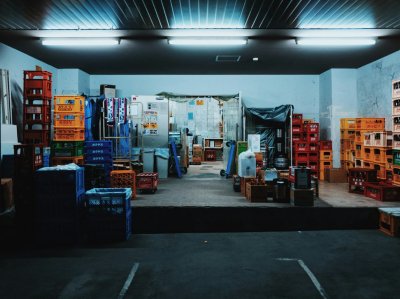
Moving goods from one location to another sounds straightforward until international borders, carrier schedules, customs procedures, warehousing, documentation, and delivery deadlines become part of the process.
That is why choosing the right freight forwarding company matters.
A capable logistics partner does much more than arrange transportation. It coordinates multiple stages of the shipment, keeps information moving between different parties, helps businesses manage changing requirements, and creates a more organized path from origin to destination.
Merkay Logistics provides integrated logistics services for businesses that need air, ocean, road transportation, storage, customs support, and distribution. With experience in U.S. imports, exports, and global trade lanes, Merkay focuses on providing flexible logistics solutions based on the requirements of each shipment.
Introduction: Why Freight Forwarding Matters More Than Ever
A product may be manufactured in one country, transported to a port, shipped internationally, cleared through customs, stored in a warehouse, transferred to a truck, and finally delivered to a distribution center or customer.
Every stage must connect properly.
One missed document, poor carrier coordination, warehouse delay, or communication gap can create additional costs and unnecessary disruption.
Professional logistics providers help connect these stages.
Instead of a business managing carriers, warehouses, customs processes, transport providers, and shipment updates separately, a freight forwarder can coordinate several parts of the journey through a more organized logistics strategy.
For businesses importing into or exporting from the United States, this coordination can become especially valuable as shipment requirements become more complex.
What Does a Freight Forwarding Company Actually Do?
A freight forwarding company coordinates the movement of cargo between the shipper, carriers, warehouses, customs-related parties, and final delivery points.
Freight forwarders generally do not simply “move boxes.” Their role can involve planning and coordinating the broader shipping process.
Depending on the shipment, services may include:
- Air freight coordination
- Ocean freight transportation
- FCL and LCL shipping
- Ground transportation
- Import and export coordination
- Warehousing and storage
- Customs-related support
- Consolidation and deconsolidation
- Distribution
Freight Forwarding Company vs. Basic Transportation Provider
It is useful to understand the difference between transportation and freight forwarding.
| Area | Basic Transportation Provider | Freight Forwarding Company |
| Main role | Moves goods | Coordinates the broader shipment |
| Transport modes | Often one mode | Can combine multiple modes |
| International shipping | May be limited | Core capability for many forwarders |
| Carrier coordination | Limited | Usually included |
| Warehousing | Not always available | Can be integrated |
| Customs support | Usually separate | Often coordinated |
| Door-to-door planning | May require other providers | Can be arranged |
| Supply chain support | Limited | Broader logistics coordination |
A business may only need a trucking company for a simple domestic delivery.
International freight is different.
When cargo must move by truck, vessel, aircraft, warehouse, customs process, and final delivery network, working with experienced logistics providers can simplify coordination significantly.
The Main Freight Forwarding Services Businesses Need
1. Ocean Freight
Ocean freight remains an important option for international cargo, particularly when businesses need to move larger volumes efficiently.
2. Air Freight
Sometimes speed matters more than transportation cost.
Air freight can be appropriate for:
- Time-sensitive cargo
- Urgent replenishment
- High-priority shipments
- Products with shorter delivery windows
- International shipments requiring faster transit
Merkay works through an agency network and strategic partnerships to coordinate international air transportation and guide customers toward suitable airline options based on shipment requirements.
3. Road Transportation
The shipment journey often continues after a vessel reaches port or an aircraft lands.
Road transportation connects ports, airports, warehouses, distribution centers, businesses, and other delivery points.
For companies using several transportation modes, coordinating ground freight with the rest of the shipment can reduce unnecessary communication between multiple vendors.
4. Warehousing and Distribution
Transportation is only one part of logistics.
Goods may need to be stored before being distributed, transferred, processed, or sent to their next destination.
Warehousing services can support:
- Incoming inventory
- Temporary storage
- Pallet storage
- Distribution
- Consolidation
- Deconsolidation
- Handling
- Product movement between shipment stages
Merkay offers storage and distribution services as part of its integrated logistics offering.
This makes it possible for businesses to connect transportation and warehousing more closely instead of treating them as completely separate processes.
5. Customs and Distribution
International shipments must follow the requirements of the countries involved.
Incorrect or incomplete information can create avoidable delays.
While customs responsibilities depend on the shipment and agreed services, experienced logistics coordination can help businesses prepare for the process and understand what information may be required.
Merkay lists customs and distribution among its core logistics services for international trade.
What Should You Look for in Logistics Providers?
Not every logistics business will be suitable for every company.
Before selecting among logistics providers, evaluate how well the provider fits your actual supply-chain requirements.
Multimodal Capabilities
A provider offering air, sea, road, storage, and distribution can help when your shipment requires several connected services.
International Network
Global shipping depends on relationships across multiple regions.
A strong agency and carrier network can make international coordination easier.
Communication
Shipment delays become much harder to manage when communication is slow.
Businesses should know:
- Who is managing the shipment
- What stage the shipment has reached
- Whether additional information is needed
- Whether any issue requires attention
Merkay identifies speedy communication and operational process excellence as key elements of its service approach.
Flexible Solutions
No two supply chains are exactly alike.
Cargo type, volume, destination, frequency, budget, urgency, and storage needs can all change the ideal shipping strategy.
That is why flexibility matters.
Why Merkay Logistics Uses a Boutique Logistics Approach
Large logistics networks can offer scale, but some businesses also want more individualized communication and solutions.
Merkay describes its model as boutique logistics, with services designed around specific customer needs rather than relying only on standardized shipping packages.
This approach is particularly useful when a company needs several services to work together.
For example, one shipment may require:
- Pickup at origin
- Export coordination
- Ocean or air transportation
- Customs-related coordination
- Inland transportation
- Warehouse storage
- Distribution to the final destination
Benefits of Working With an Integrated Freight Forwarding Company
Better Coordination
A single logistics partner can help coordinate multiple shipment stages rather than leaving the customer to communicate with several unrelated service providers.
More Flexible Transportation Choices
Air, ocean, and road transportation give businesses options based on time, cost, volume, and destination.
Stronger Communication
Consistent communication makes it easier to respond when shipment details or conditions change.
Customized Logistics
Different businesses have different priorities. Flexible logistics planning can adapt around cargo type, delivery requirements, shipment volume, and supply-chain goals.
When Should a Business Consider Merkay Logistics?
Merkay may be suitable for companies that need:
- U.S. import or export support
- International ocean freight
- Air freight
- FCL or LCL transportation
- Road transportation
- Warehousing and storage
- Customs and distribution coordination
- Door-to-door logistics
- Port-to-port transportation
- Personalized logistics planning
Frequently Asked Questions
1. What is a freight forwarding company?
A freight forwarding company coordinates cargo transportation between shippers, carriers, warehouses, and other logistics partners. Services may include air freight, ocean freight, road transportation, warehousing, documentation, and distribution.
2. What is the difference between a freight forwarder and a carrier?
A carrier physically transports cargo using trucks, vessels, aircraft, or other equipment. A freight forwarder coordinates transportation and may work with several carriers and service providers to complete the shipment.
3. What services does Merkay Logistics provide?
Merkay provides air, ocean and road transportation, project transportation, storage and distribution, customs and distribution, and other freight-forwarding services.
4. Does Merkay Logistics handle international shipments?
Yes. Merkay manages imports and exports involving the United States and works across key international trade lanes through its global network of agency partners.
5. What is FCL shipping?
FCL stands for Full Container Load. It generally means one shipper uses an entire shipping container for its cargo.
6. What is LCL shipping?
LCL stands for Less than Container Load. It allows smaller shipments to share container space with cargo from other shippers.
Conclusion:
Conclusion:
Businesses should consider transportation options, international reach, communication, warehousing capabilities, customs coordination, flexibility, and how effectively different stages of the supply chain work together.
Among the many logistics providers available, the right partner should understand that every shipment has different requirements.
Merkay Logistics combines air, sea, road transportation, warehousing, customs and distribution services with a personalized boutique logistics approach. By connecting these capabilities, businesses can build a more organized path for cargo moving through domestic and international supply chains.
Whether you are planning an import, export, ocean shipment, air shipment, warehouse requirement, or complete logistics movement, having the right team behind the process can make coordination simpler.
More from the Merkay blog
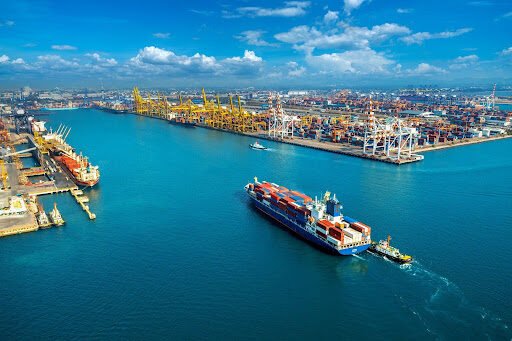
Ocean Freight Forwarder New Jersey: How Merkay Logistics Reduces Shipping Delays and Costs
Summary Read more “Ocean freight shipping can present challenges such as unexpected delays, customs documentation errors, rising transportation…
Read article →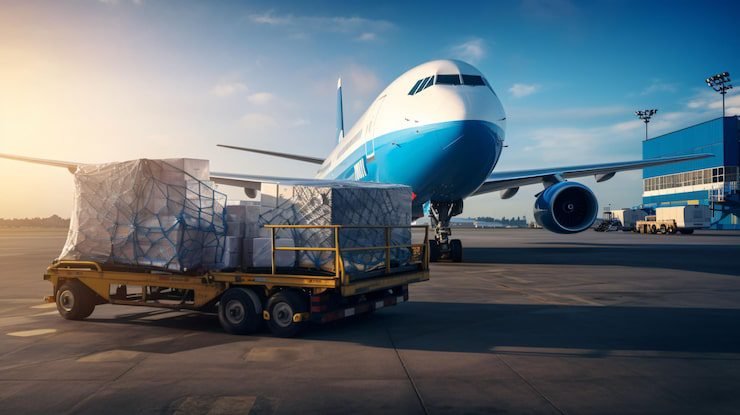
Air Shipping Services NJ: How Merkay Logistics Helps Businesses Meet Tight Deadlines
Summary Read more “Tight deadlines leave no room for shipping delays. This guide explains how air shipping services…
Read article →
Logistical Warehousing Services: How Merkay Logistics Keeps Your Cargo Moving
A container lands at port, but your customer isn’t ready for it. A large shipment needs to be…
Read article →Ready to move your next shipment?
Book a call with a Merkay specialist and get a clear plan — or send us the details for a fast, itemised quote.